Гендерные проблемы в современной России и методология их анализа
Для цитирования
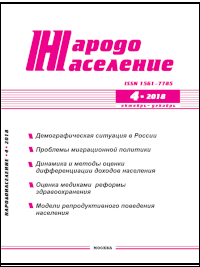
Хоткина З. А., Доброхлеб В. Г., Русанова Н. Е. Гендерные проблемы в современной России и методология их анализа // Народонаселение. 2018. Том 21. № 4. С. 135-149.
Аннотация
Статья выходит в канун юбилейного года для российских гендерных исследований, которым исполняется 30 лет. Их возникновение и развитие в России неразрывно связано с именем Натальи Михайловны Римашевской, а созданная ею Лаборатория гендерных проблем успешно продолжает исследования, основываясь на заложенных ею основах гендерного анализа российской социально-экономической действительности. В статье, написанной по результатам исследования 2018 г., пристальное внимание уделено гендерным аспектам социо-демографической динамики и здоровья россиян. Такие направления как «гендерная медицина» и «гендерная фармакология» возникли относительно недавно, однако благодаря им, современный подход к анализу здоровья населения смог затронуть разнообразные гендерные проблемы. Исследуются последствия нарастания гибкости рынка труда и цифровизации экономики для женщин и мужчин, а также современные трансформации российской семьи, которые порождают новые формы отношений между мужчинами и женщинами в приватной сфере. Основным драйвером изменений в российских семьях на протяжении многих десятилетий оставались женщины. Их массовый выход на рынок труда и в общественную жизнь служил главной причиной преобразования семейных структур и отношений. И только в последние годы в этих трансформациях стали участвовать также и мужчины, что нашло отражение в начавшихся изменениях роли отца в российских семьях. В центре внимания исследования находятся гендерные аспекты проблем, обусловленных изменениями в общественной и частной жизни россиян, которые произошли за последнее время (после 2015 г.). Предпринят гендерный анализ новых вызовов и рисков в сфере демографии и труда, с которыми сталкивается современное российское общество. Особое место отведено методологии гендерных исследований.
Ключевые слова:
гендерные исследования, методология, демографическая динамика, семья, здоровье населения, новая занятость
Литература
Римашевская Н.М. Человек и реформы: секреты выживания. — М.: РИЦ ИСЭПН РАН, 2003. — 392 с.
Отцовство в России сегодня (Доклад). — М.: ИСЭПН РАН. 2016. — 120 с.
Здравомыслова О.М. Гендерные аспекты современных российских трансформаций: проблемы методологии исследования: автореф. дисс. … д-ра филос. наук. — М., 2008.
Гендерная реконструкция политических систем. [Электронный ресурс]. — Режим доступа: http://www.owl.ru/win/books/genderpolicy/introduction.htm
Декларации тысячелетия. ООН. [Электронный ресурс]. — Режим доступа: https://www.un.org/sustainabledevelopment/ru/gender-equality/
Население России по полу и возрасту: статистика, распределение. [Электронный ресурс]. — Режим доступа: http://www.statdata.ru/nasel_pol_vozr
Демографический ежегодник России — 2017. [Электронный ресурс]. — Режим дос-тупа: http://www.gks.ru/bgd/regl/B17_16/Main.htm
Доклад о человеческом развитии 2016. Человеческое развитие для всех и каждого. [Электронный ресурс]. — Режим доступа: http://www.un.org›ru/ga/undp/
Гендер. Информационный бюллетень ВОЗ N°403 Август 2015 г. [Электронный ре-сурс]. — Режим доступа: http://www.who.int/mediacentre/factsheets/fs403/ru/
Ravindran TKS. Universal access: making health systems work for women. BMC Public Health 2012; 12 (Suppl 1). P. 4.
World Health Organization. Maternal Health: Investing in the Lifeline of Healthy Economies and Societies (Africa Progress Panel Policy Brief). Geneva: WHO; 2010.
Паутова Н.И., Паутов И.С. Гендерные особенности самооценки здоровья и его вос-приятия как социокультурной ценности. [Электронный ресурс]. — Режим доступа: https://womaninrussiansociety.ru/wp-content/uploads/2015/06/Pautova-Pautov_64_80.pdf
Башарова С. Женщины на 20% чаще мужчин обращаются к врачам. [Электронный ресурс]. — Режим доступа: https://iz.ru/news/599673
Рыкова А. Медицинская дискриминация. Почему защитники Отечества живут меньше? Информационный портал Life.ru 23.02.2017. [Электронный ресурс]. — Ре-жим доступа: http://life.ru/t/здоровье/976822/mieditsinskaia__diskriminatsiia_ pochiemu_zashchitniki_otiechiestva_zhivut_mienshie
Современная семья: кто главный? Инфографика № 3414, к Всероссийскому опросу «ВЦИОМ-Спутник», 1-3 июля 2017 г. [Электронный ресурс]. — Режим доступа: http://www.wciom.ru
Севастьянова У.Ю. Особенности отцовства мужчин с разным родительским стажем // Вестник Костромского госуниверситета им. Н.А. Некрасова. Сер. Педагогика. — 2012. — Т. 18. — № 4. — С. 39-42.
Неустойчивость занятости: международный и российский контексты будущего сфе-ры труда. — М.: РеалПринт, 2017.
Александрова О.А., Бурдастова Ю.В., Ненахова Ю.С., Хоткина З.А. Российская ме-диасреда: гендерные аспекты занятости и карьеры. [Электронный ресурс]. — Режим доступа: http://www.isesp-ras.ru/images/monograph/2017_rossiyskaya_mediasreda_ gendenye_aspekty_zanyatosti.pdf
Женщины и работа в четвертой промышленной революции. Отчет Всемирного Эко-номического Форума. [Электронный ресурс]. — Режим доступа: http://reports.weforum.org/future-of-jobs-2016.
Абдрахманова Г.И., Ковалева Г.Г., Озерова О.К. Гендерный аспект в цифровой эко-номике. [Электронный ресурс]. — Режим доступа: https://issek.hse.ru/data/2016/04/28/1128533054
Отцовство в России сегодня (Доклад). — М.: ИСЭПН РАН. 2016. — 120 с.
Здравомыслова О.М. Гендерные аспекты современных российских трансформаций: проблемы методологии исследования: автореф. дисс. … д-ра филос. наук. — М., 2008.
Гендерная реконструкция политических систем. [Электронный ресурс]. — Режим доступа: http://www.owl.ru/win/books/genderpolicy/introduction.htm
Декларации тысячелетия. ООН. [Электронный ресурс]. — Режим доступа: https://www.un.org/sustainabledevelopment/ru/gender-equality/
Население России по полу и возрасту: статистика, распределение. [Электронный ресурс]. — Режим доступа: http://www.statdata.ru/nasel_pol_vozr
Демографический ежегодник России — 2017. [Электронный ресурс]. — Режим дос-тупа: http://www.gks.ru/bgd/regl/B17_16/Main.htm
Доклад о человеческом развитии 2016. Человеческое развитие для всех и каждого. [Электронный ресурс]. — Режим доступа: http://www.un.org›ru/ga/undp/
Гендер. Информационный бюллетень ВОЗ N°403 Август 2015 г. [Электронный ре-сурс]. — Режим доступа: http://www.who.int/mediacentre/factsheets/fs403/ru/
Ravindran TKS. Universal access: making health systems work for women. BMC Public Health 2012; 12 (Suppl 1). P. 4.
World Health Organization. Maternal Health: Investing in the Lifeline of Healthy Economies and Societies (Africa Progress Panel Policy Brief). Geneva: WHO; 2010.
Паутова Н.И., Паутов И.С. Гендерные особенности самооценки здоровья и его вос-приятия как социокультурной ценности. [Электронный ресурс]. — Режим доступа: https://womaninrussiansociety.ru/wp-content/uploads/2015/06/Pautova-Pautov_64_80.pdf
Башарова С. Женщины на 20% чаще мужчин обращаются к врачам. [Электронный ресурс]. — Режим доступа: https://iz.ru/news/599673
Рыкова А. Медицинская дискриминация. Почему защитники Отечества живут меньше? Информационный портал Life.ru 23.02.2017. [Электронный ресурс]. — Ре-жим доступа: http://life.ru/t/здоровье/976822/mieditsinskaia__diskriminatsiia_ pochiemu_zashchitniki_otiechiestva_zhivut_mienshie
Современная семья: кто главный? Инфографика № 3414, к Всероссийскому опросу «ВЦИОМ-Спутник», 1-3 июля 2017 г. [Электронный ресурс]. — Режим доступа: http://www.wciom.ru
Севастьянова У.Ю. Особенности отцовства мужчин с разным родительским стажем // Вестник Костромского госуниверситета им. Н.А. Некрасова. Сер. Педагогика. — 2012. — Т. 18. — № 4. — С. 39-42.
Неустойчивость занятости: международный и российский контексты будущего сфе-ры труда. — М.: РеалПринт, 2017.
Александрова О.А., Бурдастова Ю.В., Ненахова Ю.С., Хоткина З.А. Российская ме-диасреда: гендерные аспекты занятости и карьеры. [Электронный ресурс]. — Режим доступа: http://www.isesp-ras.ru/images/monograph/2017_rossiyskaya_mediasreda_ gendenye_aspekty_zanyatosti.pdf
Женщины и работа в четвертой промышленной революции. Отчет Всемирного Эко-номического Форума. [Электронный ресурс]. — Режим доступа: http://reports.weforum.org/future-of-jobs-2016.
Абдрахманова Г.И., Ковалева Г.Г., Озерова О.К. Гендерный аспект в цифровой эко-номике. [Электронный ресурс]. — Режим доступа: https://issek.hse.ru/data/2016/04/28/1128533054
Форматы цитирования
Другие форматы цитирования:
APA
Хоткина, З. А., Доброхлеб, В. Г., & Русанова, Н. Е. (2018). Гендерные проблемы в современной России и методология их анализа. Народонаселение, 21(4), 135-149. извлечено от https://www.jour.fnisc.ru/index.php/population/article/view/6383
Раздел
ГЕНДЕРНЫЕ ИССЛЕДОВАНИЯ
JATS XML