Семейные ценности как цель в жизни для законных супругов и сожителей
Выражение признательности
РФФИпроект №18-011-01037
Для цитирования
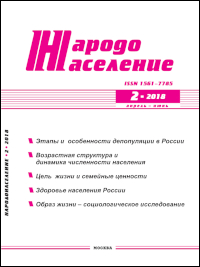
Синельников А. Б. Семейные ценности как цель в жизни для законных супругов и сожителей // Народонаселение. 2018. Том 21. № 2. С. 46-59.
Аннотация
Статья посвящена анализу данных социологических исследований, проводимых Федеральной службой государственной статистики РФ. (Росстат). Автор делит всех респондентов на три группы: (1) состоящие в законном браке; (2) сожители, т.е. «неженатые пары»; (3) одинокие мужчины и женщины, не имеющие ни законных супругов, ни сожителей. Исследование показало, что сожители гораздо реже, чем законные супруги, считают создание (или сохранение) «хорошей семьи» важной целью в своей жизни. Они находятся в промежуточном положении между одинокими и женатыми по степени важности этой жизненной цели. Однако эта промежуточная позиция зависит от пола респондентов и от того, имеют они детей или нет. Бездетные сожители-женщины придают почти такое же значение хорошей семье, как и замужние женщины, у которых также нет детей. Обе эти группы очень похожи друг на друга и очень отличаются от одиноких женщин, не имеющих детей. Автор приходит к выводу, что большинство бездетных женщин в «незамужних парах» рассматривают сожительство и отсрочку рождения детей как проверку возможности создания хорошей семьи с этим партнером. Целью этих женщин является законный брак и рождение детей. Однако более половины их партнеров не ставят перед собой таких целей. Они более близки одиноким мужчинам, чем женатым мужчинам, у которых нет детей. Поэтому далеко не все неженатые пары без детей со временем превращаются в супружеские пары с детьми.
Ключевые слова:
законный брак, развод, сожительство, мужчины, женщины, дети, хорошая семья, женатые (замужние), сожительствующие, одинокие
Литература
Исупова О.Г. Мы просто живем вместе. Демоскоп Weekly. — 2013. — № 565-566. 2-15.09. [Электронный ресурс]. — Режим доступа: http://demoscope.ru/weekly/2013/ 0565/tema01.php. (дата обращения: 06.07.2016);
Население России 2008. Шестнадцатый ежегодный демографический доклад / отв. ред. А.Г. Вишневский — М.: ИД Гос. ун-та — Высшей школы экономики, 2010. — С. 71.
Вишневский А. Демографическая революция меняет репродуктивную стратегию вида homo sapiens. // Демографическое обозрение. — 2014. — № 1. — С. 6-33. [Элек-тронный ресурс]. — Режим доступа: https://demreview.hse.ru/data/2014/07/16/ 1319120882/DemRev_1-_2014.pdf (дата обращения 10.03.2018).
Гурко Т.А., Орлова Н.А. Развитие личности подростков в различных типах семей // Социологические исследования. — 2011. — № 10. — С. 99-108.
R. Lesthaeghe, J. Surkyn (2004) “Value Orientations and the Second Demographic Transi-tion (SDT) in Northern, Western and Southern Europe: An Update”, Demographic Research, Max Planck Institute for Demographic Research, Rostock, April 17, 2004, Special Collection 3, nr 3: 45-86.
Van de Kaa D.J. (2010). Demographic transitions. // Yi. Zeng, ed. Encyclopedia of life sup-port systems (EOLSS). Demography. Vol.1. Oxford: Eolss Publishers: 65-103.
Van de Kaa D.J. (1987). Europe’s second demographic transition // Population Bulletin. 42(1). P. 11.(pp. 1-59).
Шпаковская Л.Л. Политика институциализации и практики приватизации семейной жизни: партнерство и брак в России // Журнал исследований социальной политики. — 2012. — Т. 10. — № 2. — С. 309-322.
Захаров С.В., Чурилова Е.В., Агаджанян В. Рождаемость в повторных союзах в Рос-сии: позволяет ли вступление в новый супружеский союз достичь идеала двухдет-ной семьи? // Демографическое обозрение. — 2016. — Т. 3. — №1. — С. 35-51. [Элек-тронный ресурс]. — Режим доступа: https://demreview.hse.ru/data/2016/ 07/04/1116624361/DemRev_3_1_2016_35-51.pdf. (дата обращения 02.04.2018).
Синельников А.Б. Влияние происхождения из неполной семьи на шансы создать и сохранить полную семью // Детерминация демографических процессов / Под ред. Н.В. Зверевой и В.Н. Архангельского. — Демографические исследования. — Вып. 21. — М.: МАКС Пресс, 2012. — С. 168–184.
Синельников А.Б. Субъективные причины развода: данные исследования // Вестник Московского университета. Серия 18: Социология и политология. — 2017. — Т. 23, № 3. —С. 116–139. [Электронный ресурс]. — Режим доступа: http://dx.doi.org/10.24290/1029-3736-2017-23-3 (дата обращения: 20.03.2018)
Шевченко И.О. Отчим в структуре современной российской семьи // Социология. — № 2. — 2011. — С. 186-192.
Население России 2013: двадцать первый ежегодный демографический доклад / Отв. ред. С. В. Захаров; Нац. исслед. ун-т «Высшая школа экономики». — М.: ИД Выс-шей школы экономики, 2015. — С. 76-77.
Синельников А. Б. Есть ли альтернатива законному браку? // Вестник Московского университета. Серия 18: Социология и политология. — 2016. — № 3. — С. 125–147.
Синельников А.Б. Семья и брак: кризис или модернизация? // Социологический журнал. — 2018. — Т. 24. — № 1. — C. 95-113. DOI: https://doi.org/10.19181/ socjour.2018.24.1.5715.
Население России 2008. Шестнадцатый ежегодный демографический доклад / отв. ред. А.Г. Вишневский — М.: ИД Гос. ун-та — Высшей школы экономики, 2010. — С. 71.
Вишневский А. Демографическая революция меняет репродуктивную стратегию вида homo sapiens. // Демографическое обозрение. — 2014. — № 1. — С. 6-33. [Элек-тронный ресурс]. — Режим доступа: https://demreview.hse.ru/data/2014/07/16/ 1319120882/DemRev_1-_2014.pdf (дата обращения 10.03.2018).
Гурко Т.А., Орлова Н.А. Развитие личности подростков в различных типах семей // Социологические исследования. — 2011. — № 10. — С. 99-108.
R. Lesthaeghe, J. Surkyn (2004) “Value Orientations and the Second Demographic Transi-tion (SDT) in Northern, Western and Southern Europe: An Update”, Demographic Research, Max Planck Institute for Demographic Research, Rostock, April 17, 2004, Special Collection 3, nr 3: 45-86.
Van de Kaa D.J. (2010). Demographic transitions. // Yi. Zeng, ed. Encyclopedia of life sup-port systems (EOLSS). Demography. Vol.1. Oxford: Eolss Publishers: 65-103.
Van de Kaa D.J. (1987). Europe’s second demographic transition // Population Bulletin. 42(1). P. 11.(pp. 1-59).
Шпаковская Л.Л. Политика институциализации и практики приватизации семейной жизни: партнерство и брак в России // Журнал исследований социальной политики. — 2012. — Т. 10. — № 2. — С. 309-322.
Захаров С.В., Чурилова Е.В., Агаджанян В. Рождаемость в повторных союзах в Рос-сии: позволяет ли вступление в новый супружеский союз достичь идеала двухдет-ной семьи? // Демографическое обозрение. — 2016. — Т. 3. — №1. — С. 35-51. [Элек-тронный ресурс]. — Режим доступа: https://demreview.hse.ru/data/2016/ 07/04/1116624361/DemRev_3_1_2016_35-51.pdf. (дата обращения 02.04.2018).
Синельников А.Б. Влияние происхождения из неполной семьи на шансы создать и сохранить полную семью // Детерминация демографических процессов / Под ред. Н.В. Зверевой и В.Н. Архангельского. — Демографические исследования. — Вып. 21. — М.: МАКС Пресс, 2012. — С. 168–184.
Синельников А.Б. Субъективные причины развода: данные исследования // Вестник Московского университета. Серия 18: Социология и политология. — 2017. — Т. 23, № 3. —С. 116–139. [Электронный ресурс]. — Режим доступа: http://dx.doi.org/10.24290/1029-3736-2017-23-3 (дата обращения: 20.03.2018)
Шевченко И.О. Отчим в структуре современной российской семьи // Социология. — № 2. — 2011. — С. 186-192.
Население России 2013: двадцать первый ежегодный демографический доклад / Отв. ред. С. В. Захаров; Нац. исслед. ун-т «Высшая школа экономики». — М.: ИД Выс-шей школы экономики, 2015. — С. 76-77.
Синельников А. Б. Есть ли альтернатива законному браку? // Вестник Московского университета. Серия 18: Социология и политология. — 2016. — № 3. — С. 125–147.
Синельников А.Б. Семья и брак: кризис или модернизация? // Социологический журнал. — 2018. — Т. 24. — № 1. — C. 95-113. DOI: https://doi.org/10.19181/ socjour.2018.24.1.5715.
Форматы цитирования
Другие форматы цитирования:
APA
Синельников, А. Б. (2018). Семейные ценности как цель в жизни для законных супругов и сожителей. Народонаселение, 21(2), 46-59. извлечено от https://www.jour.fnisc.ru/index.php/population/article/view/6513
Раздел
ЖЕНЩИНА, МУЖЧИНА, СЕМЬЯ
JATS XML