Миграционная ситуация на Дальнем Востоке России в начале XXI века
Выражение признательности
РФФИпроект № 19–011–00626
Для цитирования
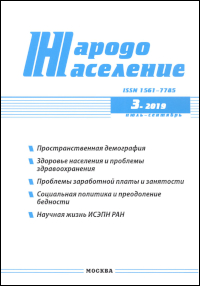
Рыбаковский О. Л., Таюнова О. А. Миграционная ситуация на Дальнем Востоке России в начале XXI века // Народонаселение. 2019. Том 22. № 3. С. 4-14. DOI: https://doi.org/10.19181/1561-7785-2019-00023
Аннотация
В статье рассматривается миграционная ситуация, сложившаяся на Дальнем Востоке России за 27 лет постсоветского периода. Показано, что все эти годы идёт неумолимый межрегиональный миграционный отток населения Дальнего Востока, слабо компенсируемый межгосударственным миграционным приростом, и усугубляемый естественной убылью. Различия в уровне и условиях жизни, развитости инфраструктуры регионов Дальнего Востока и старо-обжитой Европейской территории России,— не добавляют оптимизма в решении вопроса приостановки оттока населения из основной геополитической окраины страны, а также роста численности её населения опережающими темпами. С целью выявления внутрироссийского миграционного потенциала роста численности населения Дальнего Востока раскрыты и систематизированы межрегиональные миграционные связи регионов Дальнего Востока в 2006–2017 годах. Выявлены регионы России, имеющие с Дальним Востоком наиболее тесные миграционные связи. Помимо тех регионов, в обмене с которыми Дальний Восток теряет население, обозначены территории, которые имеют с ним тесную миграционную связь и примерно равнозначный миграционный обмен населением. В них находится оперативный миграционный потенциал для увеличения притока российского населения на Дальний Восток. Раскрыта структура межрегиональной миграционной убыли Дальнего Востока, из которой 2/3 приходится всего на 5 субъектов Российской Федерации — Москву и Московскую область, Санкт-Петербург и Ленинградскую область, Краснодарский край. Приводится обоснование того, что без разворота социально- экономической политики с Запада на Восток задачу повторного заселения Дальнего Востока не решить. И одной лишь межгосударственной миграцией с этой задачей не справиться. В выводах приводятся предложения по улучшению ситуации.
Ключевые слова:
Дальний Восток, Дальневосточный федеральный округ, миграционная ситуация, постоянная миграция, межрегиональная миграция, теснота межрегиональных миграционных связей, межгосударственная миграция, регионы России
Литература
Федеральная служба государственной статистики (Росстат): Центральная база статистических данных (ЦБСД) [Электронный ресурс]. — Режим доступа: http://cbsd.gks.ru/
Чудиновских О. С. Статистика приобретения гражданства как отражение особенностей миграционной политики России // Вопросы статистики. — 2018. — Т. 25. — № 9. — С. 3–26.
Миграционные процессы в России // Под ред. В. В. Локосова и Л. Л. Рыбаковского. — М: Экон‑информ, 2014.—383 с.
Рыбаковский О. Л., Таюнова О. А. Реализация концепции демографической политики России в области постоянной миграции населения // Социологические исследования. — 2016. — № 6. — С. 34–41.
Рыбаковский Л. Л., Савинков В. И., Кожевникова Н. И. Демографическое развитие азиатской России в XX–XXI веках: оценка результатов // Социологические исследования.— 2018. — № 11. — C. 64–74.
Рыбаковский Л. Л. Проблемы формирования народонаселения Дальнего Востока. АН СССР. Сибирское отделение. Хабаровский комплексный НИИ. — Хабаровск, 1969. — 200 с.
Рыбаковский О. Л. Миграции населения между регионами: проблемы методологии и методики анализа. — М: Экон‑Информ, 2008. — 287 с.
Чудиновских О. С. Статистика приобретения гражданства как отражение особенностей миграционной политики России // Вопросы статистики. — 2018. — Т. 25. — № 9. — С. 3–26.
Миграционные процессы в России // Под ред. В. В. Локосова и Л. Л. Рыбаковского. — М: Экон‑информ, 2014.—383 с.
Рыбаковский О. Л., Таюнова О. А. Реализация концепции демографической политики России в области постоянной миграции населения // Социологические исследования. — 2016. — № 6. — С. 34–41.
Рыбаковский Л. Л., Савинков В. И., Кожевникова Н. И. Демографическое развитие азиатской России в XX–XXI веках: оценка результатов // Социологические исследования.— 2018. — № 11. — C. 64–74.
Рыбаковский Л. Л. Проблемы формирования народонаселения Дальнего Востока. АН СССР. Сибирское отделение. Хабаровский комплексный НИИ. — Хабаровск, 1969. — 200 с.
Рыбаковский О. Л. Миграции населения между регионами: проблемы методологии и методики анализа. — М: Экон‑Информ, 2008. — 287 с.
Форматы цитирования
Другие форматы цитирования:
APA
Рыбаковский, О. Л., & Таюнова, О. А. (2019). Миграционная ситуация на Дальнем Востоке России в начале XXI века. Народонаселение, 22(3), 4-14. https://doi.org/10.19181/1561-7785-2019-00023
Раздел
ПРОСТРАНСТВЕННАЯ ДЕМОГРАФИЯ
JATS XML