Депопуляция в регионах России к началу 2020 года
Научная статья
Выражение признательности
Исследование выполнено при финансовой поддержке РФФИ, проект № 20-510-00004 Бел_а
Для цитирования
Рыбаковский О. Л., Фадеева Т. А. Депопуляция в регионах России к началу 2020 года // Народонаселение. 2020. Том 23. № 3. С. 119-129. DOI: https://doi.org/10.19181/population.2020.23.3.11
Аннотация
В статье подводятся итоги естественного прироста/убыли населения регионов России за 1992-2019 годы. Депопуляция — естественная убыль населения — свойственна большинству европейских территорий (стран или их частей), чьё население в значительной степени пострадало во Второй мировой войне. Это касается обеих сторон конфликта — и фашистской Германии (а также милитаристской азиатской Японии), с одной стороны; и территорий современных Польши, Белоруссии, Украины, Европейской части Российской Федерации, отдельных частей бывшей Югославии, с другой стороны. Вследствие чего население этих территорий с 1970-х гг. начало вступать в период депопуляции, превышения смертности над рождаемостью. Это произошло в результате нисходящий демографической волны, так называемого «первого эха Второй мировой войны», а также вследствие общемировых тенденций снижения рождаемости во всём развитом и развивающемся мире. В целом за 28 лет постсоветского периода с начала 1992 до начала 2020 г. депопуляцией были охвачены все европейские регионы России за исключением 5 республик Северного Кавказа и Республики Калмыкия. Несколько иная картина наблюдалась за Уральским хребтом. Здесь депопуляция в большинстве крупных промышленных регионов явилась следствием в первую очередь постсоветского миграционного оттока населения в Европейскую часть страны в столичные регионы и равнинные территории юга России с благоприятным климатом. Положительный естественный прирост населения был лишь в нефтегазоносной Тюменской области, Республике Саха (Якутия), Чукотском автономном округе, а также в республиках юга Сибири, коренное население которых исповедует буддизм. В статье представлен анализ по каждой из типичных групп регионов России, приводится статистика демографического (воспроизводственного) развития территорий, обосновываются выводы, среди которых основной — снижение объёмов текущих и предстоящих демографических людских потерь России зависит от последовательности, научной обоснованности, результативности и избирательности мер демографической политики страны.
Ключевые слова:
регионы и макрорегионы России, естественный прирост/убыль населения, депопуляция, рождаемость и смертность населения, возрастная структура населения, демографическая политика
Литература
1. Народное хозяйство СССР за 70 лет. Юбилейный статистический сборник. — М.: Финансы и статистика, 1987. — 180 с.
2. Демографическая ситуация в России: новые вызовы и пути оптимизации. Национальный демографический доклад. / Под ред. С. В. Рязанцева. — М.: Экон-Информ, 2019. — 79 с.
3. Рыбаковский Л. Л. 20 лет депопуляции в России. — М.: Экон-информ, 2014. — 228 с.
4. Рыбаковский О.Л., Таюнова О.А. Рождаемость населения России и демографические волны // Народонаселение. — 2017. — № 4. — С. 56-66.
2. Демографическая ситуация в России: новые вызовы и пути оптимизации. Национальный демографический доклад. / Под ред. С. В. Рязанцева. — М.: Экон-Информ, 2019. — 79 с.
3. Рыбаковский Л. Л. 20 лет депопуляции в России. — М.: Экон-информ, 2014. — 228 с.
4. Рыбаковский О.Л., Таюнова О.А. Рождаемость населения России и демографические волны // Народонаселение. — 2017. — № 4. — С. 56-66.
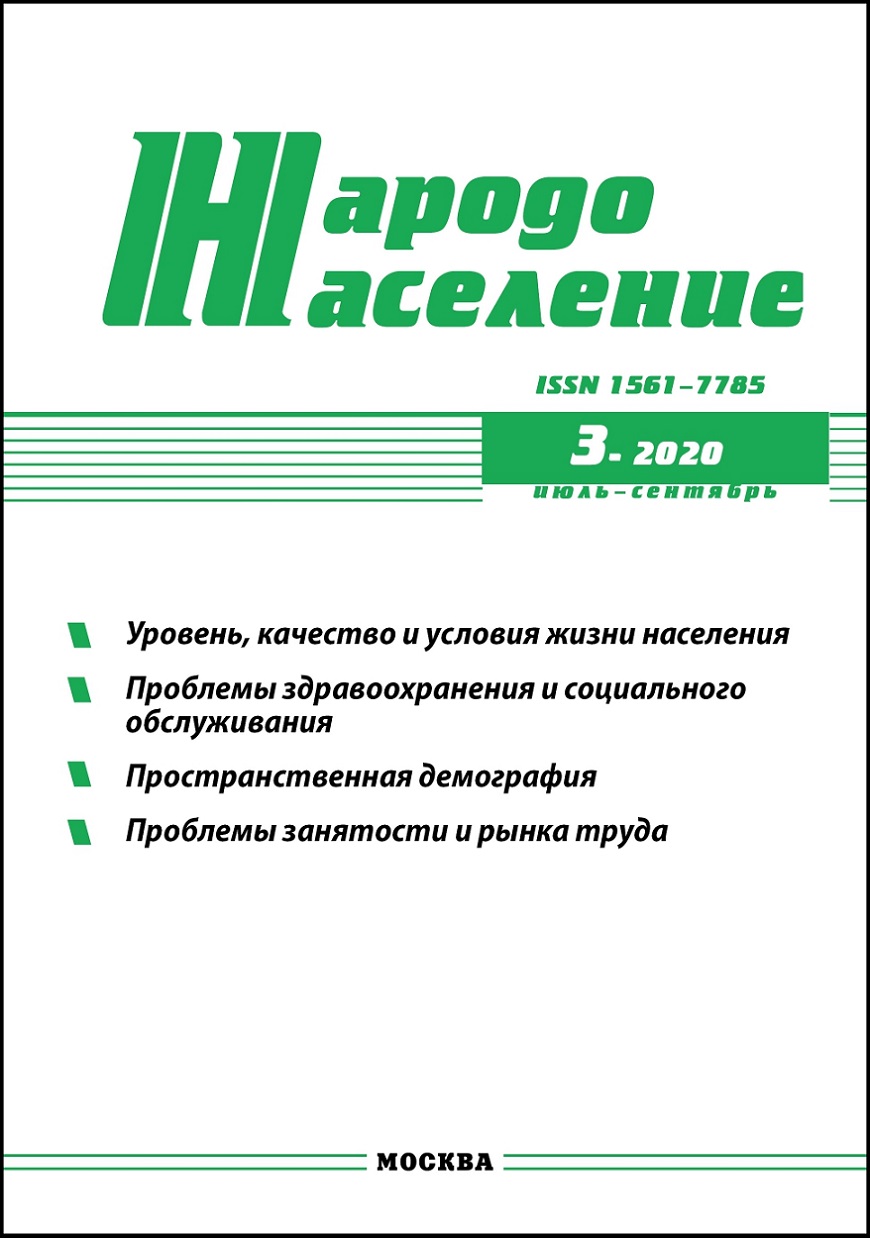
Статья
Поступила: 29.05.2020
Опубликована: 25.09.2020
Форматы цитирования
Другие форматы цитирования:
APA
Рыбаковский, О. Л., & Фадеева, Т. А. (2020). Депопуляция в регионах России к началу 2020 года. Народонаселение, 23(3), 119-129. https://doi.org/10.19181/population.2020.23.3.11
Раздел
ПРОСТРАНСТВЕННАЯ ДЕМОГРАФИЯ
JATS XML