Образовательный капитал как основа построения трудовых стратегий
Научная статья
Выражение признательности
Исследование выполнено при финансовой поддержке РФФИ и Белорусского республиканского фонда фундаментальных исследований в рамках научного проекта № 20-510-00008.
Для цитирования
Ярашева А. В. Образовательный капитал как основа построения трудовых стратегий // Народонаселение. 2020. Том 23. № 4. С. 115-124. DOI: https://doi.org/10.19181/population.2020.23.4.11
Аннотация
В статье на основе общенаучных диалектических подходов рассматриваются вопросы формирования и развития образовательного капитала, как составной части человеческого капитала. Цель статьи — выявить особенности влияния качества и уровня полученного образования на возможности реализации трудовых стратегий на примере сотрудников сферы здравоохранения. Выделены черты, характерные для формирования образовательного капитала медицинских работников. На основе изучения данных социологических опросов врачей и медицинских сестер столичных организаций здравоохранения сделаны выводы о доступности и необходимости получения ими дополнительного образования, о факторах, влияющих на уровень профессионализма при выполнении трудовых обязанностей, о наиболее актуальных видах обучающих программ в рамках непрерывного медицинского образования (НМО), о характерных для медперсонала типах карьеры. Показано, что работники здравоохранения, успешно реализующие свою профессиональную трудовую стратегию, как правило, не только оптимально используют свой уже имеющийся образовательный капитал, но и постоянно повышают квалификацию на основе непрерывного медицинского образования. Выявлены: категории работников, которые более всего испытывают необходимость в получении дополнительной подготовки; актуальные направления образовательных программ для руководителей медицинских учреждений; особенности образовательно-профессиональных траекторий, связанных с высшим сестринским образованием; различия во мнениях врачей и медицинских сестер относительно необходимости и важности самообразования в процессе формирования (пополнения) своего образовательного потенциала. Быстрое развитие инновационных технологий в медицине, влекущее за собой необходимость опережающей подготовки специалистов, требует поиска новых эффективных форм обучения работников здравоохранения.
Ключевые слова:
образовательный капитал, трудовая стратегия, карьерный рост, работники здравоохранения, дополнительное образование, непрерывное медицинское образование
Литература
1. Шарова, М.А. Образовательный капитал как социокультурный феномен современных общественных процессов / М. А. Шарова, А, В. Уланова // Инновационные технологии в науке и образовании. — 2015. — № 2(2). — С .157-159.
2. Максимова, М. Л. Доступность высшего образования, образовательный капитал и выбор образовательной стратегии / М. Л. Максимова // Вестник Нижегородского университета имени Н. И. Лобачевского. Серия: Социальные науки. — 2006. — № 1(5). — С. 273-279.
3. Фадина, Т.В. Человеческий капитал и рынок образовательных услуг: взаимосвязь и взаимозависимость (теоретико-методологический аспект) / Т. В. Фадина // Вестник экономической интеграции. — 2009. — № 11-12. — С. 47-53.
4. Сергеев, К. А. Влияние образовательной составляющей человеческого капитала на экономическое развитие субъектов Российской Федерации / К. А. Сергеев // Вестник Санкт-Петербургского университета. Серия 7. Геология. География. — 2012. — № 1. — С. 107-120.
5. Власюк, Л.И. Индикаторы гуманизации регионального развития: человеческий капитал / Л. И. Власюк, В. К. Кашин, С. В. Макар // Экономика. Налоги. Право. — 2016. — Т. 9. — № 6. — С. 68-76.
6. Ярашева, А.В. Проблемы воспроизводства научных кадров глазами руководителей институтов / А. В. Ярашева, Е. И. Аксенова // Народонаселение. — 2017. — № 4(78). — С. 105-118. DOI: 10.26653/1561-7785-2017-4-8
7. Шевцова, Т.В. Миграционные процессы на Дальнем Востоке и обеспечение трудовыми ресурсами территорий опережающего социально-экономического развития / Т. В. Шевцова, Е. С. Красинец // Наука. Культура. Общество. — 2018. — № 4. — С. 121-131.
8. Красинец, Е. С. Трудовая миграция в России и Беларуси на этапе формирования евразийской интеграции / Е. С. Красинец, А. Г. Гришанова, Н. И. Кожевникова // Миграционное право. — 2014. — № 4. — С. 3-6.
9. Ярашева, А. В. Влияние демографических факторов на трудовой потенциал регионов Дальнего Востока / А. В. Ярашева, С. В. Макар // Экономика. Налоги. Право. — 2019. — Т. 12. — № 2. — С. 103-114. DOI: 10.26794/1999-849X-2019-12-2-103-114
10. Дергунова, Н.В. Образовательный капитал как фактор эмиграции выпускников российских провинциальных вузов (на примере Ульяновского государственного университета) / Н. В. Дергунова, Л. Ю. Лукичева // Власть. — 2014. — № 12. — С. 35-39.
11. Зайцева, И. А. Анализ потребности в дополнительных образовательных услугах в текстильной промышленности / С. В. Макар, А. В. Ярашева // Известия высших учебных заведений. Технология текстильной промышленности. — 2016. — № 5(365). — С. 255-258.
12. Жбанников, П. С., В.И. Современные подходы к непрерывному профессиональному образованию специалистов в медицинском вузе / П. С. Жбанников, В. И. Горохов // Высшее образование в России. — 2019. — № 8-9 (28). — С. 149-157. DOI: 10.31992/0869-3617-2019-28-8-9-149-157
13. Гнездова, Ю.В. Организационно-управленческие основы непрерывного образования в системе здравоохранения / Ю. В. Гнездова, Т. В. Чернявская // Научный альманах. — 2015. — № 9(11). — С. 941-944.
14. Комплексная оценка трудовой миграции выпускников медицинского вуза как важный фактор формирования кадрового потенциала региональной системы здравоохранения / Г. М. Гайдаров, С. В. Макаров, Н. Ю. Алексеева, И. В. Маевская // Проблемы социальной гигиены, здравоохранения и истории медицины. — 2019. — Т. 27. — № 1. — С. 63-67. DOI: 10.32687/0869-866X-2019-27-1-63-67
15. Адаптация высшего медицинского образования к условиям цифровизации здравоохранения / В. А. Лазаренко, П. В. Калуцкий, Н. Б. Дремова, А. И. Овод // Высшее образование в России. — 2020. — № 1(29). — С. 105-115. DOI: 10.31992/0869-3617-2020-29-1-105-115
16. Развитие кадрового потенциала столичного здравоохранения / ред. Е. И. Аксенова, О. А. Александрова, А. В. Ярашева. — Москва: НИИ ОЗММ ДЗМ, 2019. — 244 с. ISBN 978-5-907251-15-1.
17. Карпович, А.В. Социологическое исследование аутентичного проектирования профессиональной траектории на модели профессии врача / А. В. Карпович, А. Д. Доника // Международный журнал экспериментального образования. — 2016. — № 6-1. — С. 51-51a.
18. Шестакова, И.В. Изменение карьер-ориентированных векторов в медицине / И. В. Шестакова // Сборники конференций НИЦ Социосфера. — 2017. — № 6. — С. 87-89.
19. Трегубов, В.Н. Формирование индивидуальной траектории самообразования врача-специалиста в системе непрерывного медицинского образования / В. Н. Трегубов, Ж. М. Сизова // Медицинское образование и профессиональное развитие. — 2014. — № 4(18). — С. 91-99.
20. Мухарямова, Л.М. Высшее сестринское образование и профессиональная карьера специалистов (результаты социологического исследования) / Л. М. Мухарямова, Г. А. Моисеева // Социология медицины. — 2012. — № 1(20). — С. 29-33.
2. Максимова, М. Л. Доступность высшего образования, образовательный капитал и выбор образовательной стратегии / М. Л. Максимова // Вестник Нижегородского университета имени Н. И. Лобачевского. Серия: Социальные науки. — 2006. — № 1(5). — С. 273-279.
3. Фадина, Т.В. Человеческий капитал и рынок образовательных услуг: взаимосвязь и взаимозависимость (теоретико-методологический аспект) / Т. В. Фадина // Вестник экономической интеграции. — 2009. — № 11-12. — С. 47-53.
4. Сергеев, К. А. Влияние образовательной составляющей человеческого капитала на экономическое развитие субъектов Российской Федерации / К. А. Сергеев // Вестник Санкт-Петербургского университета. Серия 7. Геология. География. — 2012. — № 1. — С. 107-120.
5. Власюк, Л.И. Индикаторы гуманизации регионального развития: человеческий капитал / Л. И. Власюк, В. К. Кашин, С. В. Макар // Экономика. Налоги. Право. — 2016. — Т. 9. — № 6. — С. 68-76.
6. Ярашева, А.В. Проблемы воспроизводства научных кадров глазами руководителей институтов / А. В. Ярашева, Е. И. Аксенова // Народонаселение. — 2017. — № 4(78). — С. 105-118. DOI: 10.26653/1561-7785-2017-4-8
7. Шевцова, Т.В. Миграционные процессы на Дальнем Востоке и обеспечение трудовыми ресурсами территорий опережающего социально-экономического развития / Т. В. Шевцова, Е. С. Красинец // Наука. Культура. Общество. — 2018. — № 4. — С. 121-131.
8. Красинец, Е. С. Трудовая миграция в России и Беларуси на этапе формирования евразийской интеграции / Е. С. Красинец, А. Г. Гришанова, Н. И. Кожевникова // Миграционное право. — 2014. — № 4. — С. 3-6.
9. Ярашева, А. В. Влияние демографических факторов на трудовой потенциал регионов Дальнего Востока / А. В. Ярашева, С. В. Макар // Экономика. Налоги. Право. — 2019. — Т. 12. — № 2. — С. 103-114. DOI: 10.26794/1999-849X-2019-12-2-103-114
10. Дергунова, Н.В. Образовательный капитал как фактор эмиграции выпускников российских провинциальных вузов (на примере Ульяновского государственного университета) / Н. В. Дергунова, Л. Ю. Лукичева // Власть. — 2014. — № 12. — С. 35-39.
11. Зайцева, И. А. Анализ потребности в дополнительных образовательных услугах в текстильной промышленности / С. В. Макар, А. В. Ярашева // Известия высших учебных заведений. Технология текстильной промышленности. — 2016. — № 5(365). — С. 255-258.
12. Жбанников, П. С., В.И. Современные подходы к непрерывному профессиональному образованию специалистов в медицинском вузе / П. С. Жбанников, В. И. Горохов // Высшее образование в России. — 2019. — № 8-9 (28). — С. 149-157. DOI: 10.31992/0869-3617-2019-28-8-9-149-157
13. Гнездова, Ю.В. Организационно-управленческие основы непрерывного образования в системе здравоохранения / Ю. В. Гнездова, Т. В. Чернявская // Научный альманах. — 2015. — № 9(11). — С. 941-944.
14. Комплексная оценка трудовой миграции выпускников медицинского вуза как важный фактор формирования кадрового потенциала региональной системы здравоохранения / Г. М. Гайдаров, С. В. Макаров, Н. Ю. Алексеева, И. В. Маевская // Проблемы социальной гигиены, здравоохранения и истории медицины. — 2019. — Т. 27. — № 1. — С. 63-67. DOI: 10.32687/0869-866X-2019-27-1-63-67
15. Адаптация высшего медицинского образования к условиям цифровизации здравоохранения / В. А. Лазаренко, П. В. Калуцкий, Н. Б. Дремова, А. И. Овод // Высшее образование в России. — 2020. — № 1(29). — С. 105-115. DOI: 10.31992/0869-3617-2020-29-1-105-115
16. Развитие кадрового потенциала столичного здравоохранения / ред. Е. И. Аксенова, О. А. Александрова, А. В. Ярашева. — Москва: НИИ ОЗММ ДЗМ, 2019. — 244 с. ISBN 978-5-907251-15-1.
17. Карпович, А.В. Социологическое исследование аутентичного проектирования профессиональной траектории на модели профессии врача / А. В. Карпович, А. Д. Доника // Международный журнал экспериментального образования. — 2016. — № 6-1. — С. 51-51a.
18. Шестакова, И.В. Изменение карьер-ориентированных векторов в медицине / И. В. Шестакова // Сборники конференций НИЦ Социосфера. — 2017. — № 6. — С. 87-89.
19. Трегубов, В.Н. Формирование индивидуальной траектории самообразования врача-специалиста в системе непрерывного медицинского образования / В. Н. Трегубов, Ж. М. Сизова // Медицинское образование и профессиональное развитие. — 2014. — № 4(18). — С. 91-99.
20. Мухарямова, Л.М. Высшее сестринское образование и профессиональная карьера специалистов (результаты социологического исследования) / Л. М. Мухарямова, Г. А. Моисеева // Социология медицины. — 2012. — № 1(20). — С. 29-33.
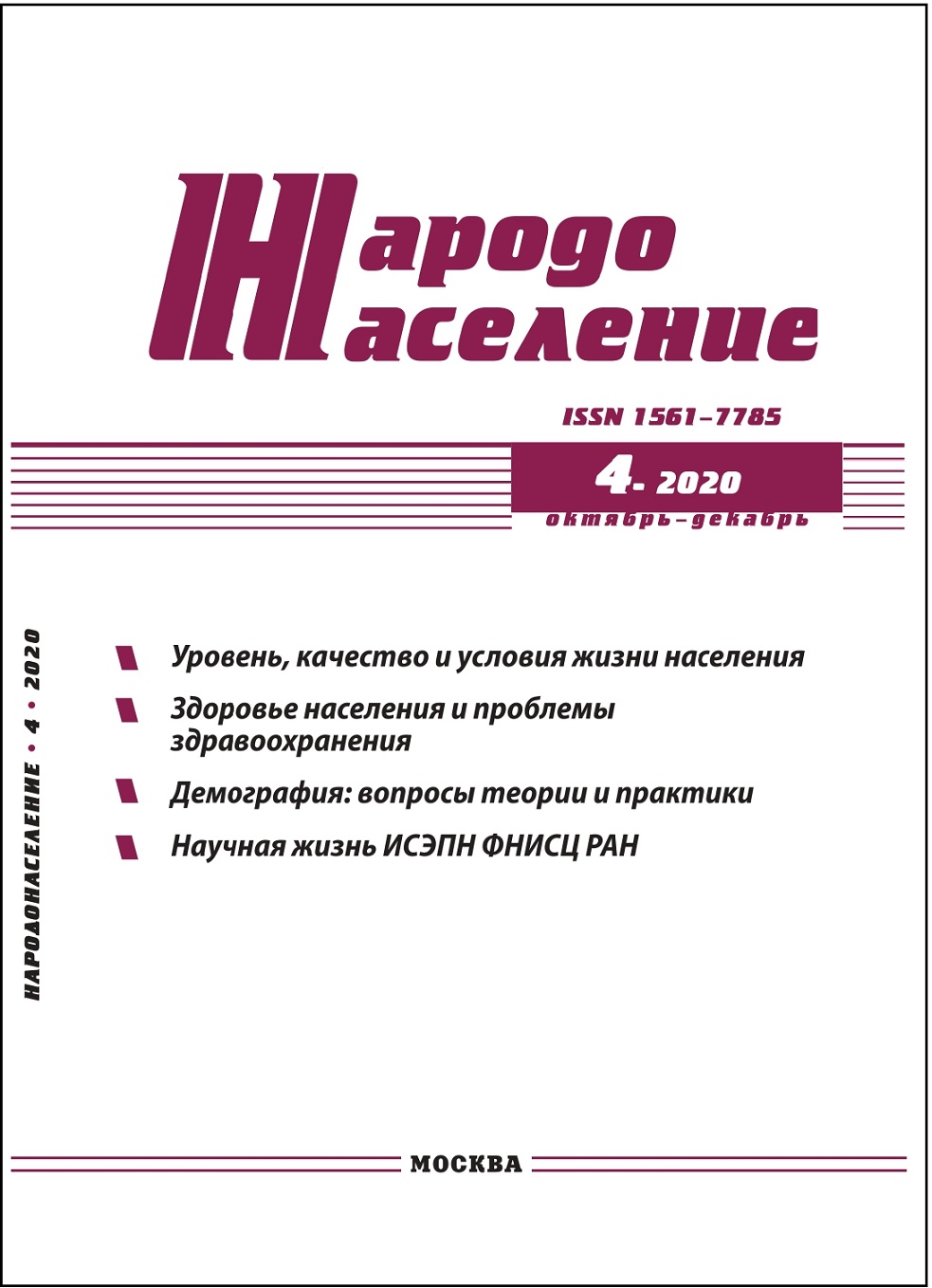
Статья
Поступила: 02.09.2020
Опубликована: 16.12.2020
Форматы цитирования
Другие форматы цитирования:
APA
Ярашева, А. В. (2020). Образовательный капитал как основа построения трудовых стратегий. Народонаселение, 23(4), 115-124. https://doi.org/10.19181/population.2020.23.4.11
Раздел
ЗДОРОВЬЕ НАСЕЛЕНИЯ И ПРОБЛЕМЫ ЗДРАВООХРАНЕНИЯ
JATS XML