Классификация факторов влияния на формирование финансово-экономической культуры россиян
Научная статья
Выражение признательности
Исследование выполнено в рамках НИР Финансового университета при Правительстве Российской Федерации «Финансово-экономическая культура как параметр экономической системы: методы исследования и критерии оценок».
Для цитирования
Александрова О. А., Аликперова Н. В., Марков Д. И., Ненахова Ю. С. Классификация факторов влияния на формирование финансово-экономической культуры россиян // Народонаселение. 2021. Том 24. № 3. С. 18-31. DOI: https://doi.org/10.19181/population.2021.24.3.2
Аннотация
Формирование в обществе финансовых институтов, развитие рынка финансовых услуг и эффективных финансовых отношений невозможно без формирования развитой финансово-экономической культуры. Сегодня жизнеспособной может быть такая финансово-экономическая система, которая будет учитывать социальные аспекты жизни общества, его факторы и предпосылки, а также ценности, которые действительно способствуют выживанию, сохранению и развитию человечества, укреплению его единства, раскрытию его потенциала. Учитывая это, формирование финансово-экономической культуры на общечеловеческих принципах в условиях действия новых тенденций социокультурного развития страны является одной из самых острых современных проблем. Каждой финансово-экономической системе соответствует особая базовая модель финансово-экономической культуры и ценностей, в каждой конкретной стране проявляется в национальных специфических формах. Нет «хороших» и «плохих» культур, есть культуры функциональные или дисфункциональные относительно финансово-экономической системы. По критерию сущности финансово-экономическая культура является видом социальной культуры общества, обеспечивающей потребности многомерной человеческой деятельности в специализированных видах финансово-экономической деятельности. В современном обществе существует тенденция повышения культурного уровня производства. Она находит выражение в использовании новейших техник и технологических процессов, передовых методов организации труда, прогрессивных форм управления и планирования, достижений науки. Направленность этого развития обусловливается, с одной стороны, возможностями, содержащимися в совокупности условий, задающих границы экономической культуры, с другой стороны — степенью и способами реализации этих возможностей в условиях изменений инновационной экономики. В связи с чем, анализ паттернов финансово-экономической культуры и создание механизмов влияния на них — это важнейшая управленческая задача, не менее важная, чем создание инновационной экономики и построение правового государства. На основе проведенного исследования факторов, влияющих на формирование финансово-экономической культуры россиян, авторами разработана классификация, включающая в себя факторы русского культурного архетипа; факторы социально-экономического контекста; факторы вертикальной и горизонтальной социализации.
Ключевые слова:
финансово-экономическая культура, финансово-экономическая система, факторы финансово-экономической культуры
Литература
1. Александрова, О.А. Экономическая культура как фактор финансового поведения россиян: роль архетипов и современного контекста / О. А. Александрова // Народонаселение. — 2021. — Т. 24. — № 2. — С. 29-40. DOI: 10.19181/population.2021.24.2.3.
2. Рывкина, Р.В. Экономическая культура в России: трудности и этапы становления / Р. В. Рывкина // Мир России. — 1994. — Т. 3. — № 1. — С. 55-65.
3. Соловьев, В.М. Из предыстории российской культуры: у истоков культурогенеза / В. М. Соловьев // Science Time. — 2016. — № 10(34). — С. 331-353.
4. Соловьев, В.М. Геополитические координаты российской культуры / В. М. Соловьев // Science Time. — 2017. — № 1. — С. 369-375.
5. Сараева, Е.Л. Размышления П. Я. Чаадаева о судьбе России / Е. Л. Сараева // Ярославский педагогический вестник. — 2014. — № 4. — C. 17-26.
6. Монина, Н.П. Русский культурный архетип: факторы формирования и философские доминанты / Н. П. Монина. — Омск : Изд-во Омского гос. ун-та, 2011. — 196 с. ISBN 978-5-7779-1304-3.
7. Баргилевич, О. А. И. А. Ильин о роли русской культуры в духовном возрождении России / О. А. Баргилевич // Вестник Омского государственного педагогического университета. Гуманитарные исследования. — 2019. — № 2(23). — С. 9-12.
8. Пантин, И.К. Судьбы демократии в России / И. К. Пантин. — Москва, 2004.— 196 с. ISBN 5-9540-0014-Х.
9. Милов, Л.В. Великорусский пахарь и особенности российского исторического процесса / Л. В. Милов. — Москва: РОССПЭН, 1998. — 191 с.
10. Монина, Н. П. Условия формирования русской культуры: геополитический аспект / Н. П. Монина // Омский научный вестник. — 2010. — № 1(85). — С. 204-208.
11. Трофимов, В.К. Душа России: истоки, сущность и социокультурное значение русского менталитета: монография / В. К. Трофимов. — Ижевск: Ижевская ГСХА, 2010. — 408 с. ISBN 978-5-9620-0162-3.
12. Бердяев, Н.А. Русская идея. Истоки и смысл русского коммунизма / Н. А. Бердяев. — Москва: АСТ, 2020. — 512 с. ISBN 978-5-17-126831-2.
13. Скоробогатов, А.В. Российский правовой архетип: сущность и содержание / А. В. Скоробогатов, А. В. Краснов // Российский журнал правовых исследований. — 2015. — Т. 2. — № 4. — C. 28-33. DOI: 10.17816/RJLS18073.
14. Аузан, А. Лекция 13. Культура и институты / А. Аузан // Экономический факультет МГУ имени М. В. Ломоносова: [сайт]. — URL: https://www.econ.msu.ru/ext/lib/Category/x19/x06/6406/file/Лекция2013.pdf (дата обращения: 15.02.2021).
15. Kalil, А. Parenting Practices and Socioeconomic Gaps in Childhood Outcomes / A. Kalil, R. Ryan // The future of children. — Vol. 30. — №. 1. — Spring 2020. — P. 29-54.
16. Novak, М. The Catholic Ethic and the Spirit of Capitalism / М. Novak. — New York : The Free Press, 1993. — 117 р.
2. Рывкина, Р.В. Экономическая культура в России: трудности и этапы становления / Р. В. Рывкина // Мир России. — 1994. — Т. 3. — № 1. — С. 55-65.
3. Соловьев, В.М. Из предыстории российской культуры: у истоков культурогенеза / В. М. Соловьев // Science Time. — 2016. — № 10(34). — С. 331-353.
4. Соловьев, В.М. Геополитические координаты российской культуры / В. М. Соловьев // Science Time. — 2017. — № 1. — С. 369-375.
5. Сараева, Е.Л. Размышления П. Я. Чаадаева о судьбе России / Е. Л. Сараева // Ярославский педагогический вестник. — 2014. — № 4. — C. 17-26.
6. Монина, Н.П. Русский культурный архетип: факторы формирования и философские доминанты / Н. П. Монина. — Омск : Изд-во Омского гос. ун-та, 2011. — 196 с. ISBN 978-5-7779-1304-3.
7. Баргилевич, О. А. И. А. Ильин о роли русской культуры в духовном возрождении России / О. А. Баргилевич // Вестник Омского государственного педагогического университета. Гуманитарные исследования. — 2019. — № 2(23). — С. 9-12.
8. Пантин, И.К. Судьбы демократии в России / И. К. Пантин. — Москва, 2004.— 196 с. ISBN 5-9540-0014-Х.
9. Милов, Л.В. Великорусский пахарь и особенности российского исторического процесса / Л. В. Милов. — Москва: РОССПЭН, 1998. — 191 с.
10. Монина, Н. П. Условия формирования русской культуры: геополитический аспект / Н. П. Монина // Омский научный вестник. — 2010. — № 1(85). — С. 204-208.
11. Трофимов, В.К. Душа России: истоки, сущность и социокультурное значение русского менталитета: монография / В. К. Трофимов. — Ижевск: Ижевская ГСХА, 2010. — 408 с. ISBN 978-5-9620-0162-3.
12. Бердяев, Н.А. Русская идея. Истоки и смысл русского коммунизма / Н. А. Бердяев. — Москва: АСТ, 2020. — 512 с. ISBN 978-5-17-126831-2.
13. Скоробогатов, А.В. Российский правовой архетип: сущность и содержание / А. В. Скоробогатов, А. В. Краснов // Российский журнал правовых исследований. — 2015. — Т. 2. — № 4. — C. 28-33. DOI: 10.17816/RJLS18073.
14. Аузан, А. Лекция 13. Культура и институты / А. Аузан // Экономический факультет МГУ имени М. В. Ломоносова: [сайт]. — URL: https://www.econ.msu.ru/ext/lib/Category/x19/x06/6406/file/Лекция2013.pdf (дата обращения: 15.02.2021).
15. Kalil, А. Parenting Practices and Socioeconomic Gaps in Childhood Outcomes / A. Kalil, R. Ryan // The future of children. — Vol. 30. — №. 1. — Spring 2020. — P. 29-54.
16. Novak, М. The Catholic Ethic and the Spirit of Capitalism / М. Novak. — New York : The Free Press, 1993. — 117 р.
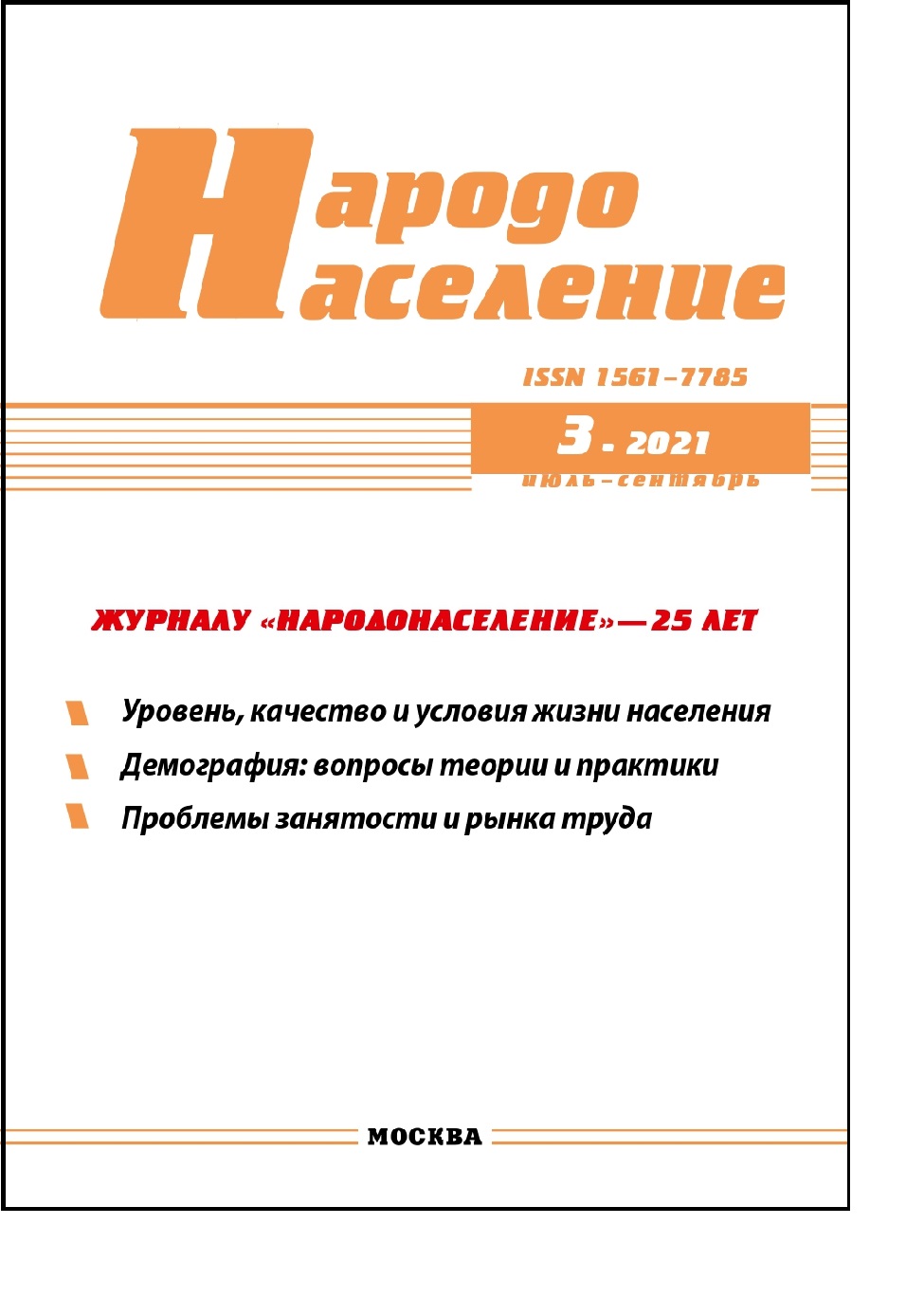
Статья
Поступила: 07.07.2021
Опубликована: 16.09.2021
Форматы цитирования
Другие форматы цитирования:
APA
Александрова, О. А., Аликперова, Н. В., Марков, Д. И., & Ненахова, Ю. С. (2021). Классификация факторов влияния на формирование финансово-экономической культуры россиян. Народонаселение, 24(3), 18-31. https://doi.org/10.19181/population.2021.24.3.2
Раздел
УРОВЕНЬ, КАЧЕСТВО И УСЛОВИЯ ЖИЗНИ НАСЕЛЕНИЯ
JATS XML