Финансовое мошенничество в период пандемии COVID-19
Научная статья
Для цитирования
Медведева Е. И., Крошилин С. В. Финансовое мошенничество в период пандемии COVID-19 // Народонаселение. 2022. Том 25. № 1. С. 29-42. DOI: https://doi.org/10.19181/population.2022.25.1.3
Аннотация
Целью настоящего исследования являлось изучение новых способов финансового мошенничества, с которыми столкнулось российское общество в период пандемии. Объект исследования — российский социум, предмет — схемы финансового мошенничества, которые стали возможным благодаря ограничительным мерам и бурному развитию интернет-торговли в период пандемии. Современное общество сталкивается с различными вызовами, которые обусловлены не только прогрессивными технологиями развития, инновациями, сменой технологических укладов, повсеместным внедрением цифровых технологий, но и с факторами, появление которых было сложно предсказать — пандемия COVID-19. Прошло два года как весь мир живёт в условиях пандемии, но за это время поведенческие установки социума претерпели значительные изменения: от «режима самоизоляции» и обязательного «ношения» масок — до работы на «удалёнке» и обязательного предъявления QR-кодов. Последние изменения в значительной степени предопределил бурное развитие информационно-коммуникационных технологий, которые повлияли на реальное общение и возможности изменения онлайн поведения: покупки, получение справок и документов, работа на «удалёнке» охватили от 50 до 80% работников в различных сферах. Уход в онлайн стал причиной не только повышенного спроса на коммуникационные услуги, развитие интернет-торговли, интернет-банкинга (в начале пандемии была впервые проведена сделка по ипотечному приобретению жилья в онлайн режиме), но способствовал созданию новых видов финансового мошенничества посредствам коммуникационных технологий. В статье использованы материалы Росстата, ВЦИОМ, Банка России, аналитические материалы финансовых структур и результаты исследований, в том числе авторских, проведённых на юго-востоке Московской области. Результаты анализа могут быть актуальны и значимы для профилактики совершения мошеннических действий, а также при проведении занятий по финансовой грамотности населения. Соответствующие структуры власти, комитеты и комиссии могут воспользоваться данными материалами для проведения разъяснительных мероприятий для населения.
Ключевые слова:
социальноэкономические проблемы, социум, пандемия, коронавирус, финансовое мошенничество, электронная коммерция, информационные технологии
Литература
1. Шабунова, А.А. Успешность современного человека: теоретико-методологические аспекты исследования / А. А. Шабунова, В. Г. Доброхлеб, Е. И. Медведева [и др.] // Экономические и социальные перемены: факты, тенденции, прогноз. — 2019. — Т. 12. — № 6. — С. 35-38. DOI: 10.15838/esc.2019.6.66.2.
2. Ревинова, С. Ю. Электронная коммерция в России в условиях пандемических ограничений COVID-19 / С. Ю. Ревинова, Д. А. Третьякова // Вопросы инновационной экономики. — 2021. — Т. 11. — № 4. — DOI: 10.18334/vinec.11.4.113757.
3. Шеремет, И.А. Цифровая экономика и кибербезопасность её финансового сегмента / И. А. Шеремет // Труды Вольного экономического общества России. — 2018. — Т. 210. — № 2. — С. 23-35.
4. Крошилин, С.В. Финансовое мошенничество в современном обществе / С. В. Крошилин, Е. И. Медведева // Российский экономический конгресс «РЭК-2020». Том XVIII. Тематическая конференция «Банки и финансовые рынки» (сборник материалов) / составители C. А. Андрюшин, А. М. Карминский. — Москва, 2020. — С. 83-87.
5. Линделл, Д. Число дел о мошенничестве рекордно выросло на фоне пандемии Каким преступлениям поспособствовала самоизоляция / Д. Линделл, М. Алехина, А. Скрынникова, А. Балашова // РБК: [сайт]. — URL: https://www.rbc.ru/society/31/08/2020/5f48ea169a79477e21e25d9d (дата обращения: 24.11.2021).
2. Ревинова, С. Ю. Электронная коммерция в России в условиях пандемических ограничений COVID-19 / С. Ю. Ревинова, Д. А. Третьякова // Вопросы инновационной экономики. — 2021. — Т. 11. — № 4. — DOI: 10.18334/vinec.11.4.113757.
3. Шеремет, И.А. Цифровая экономика и кибербезопасность её финансового сегмента / И. А. Шеремет // Труды Вольного экономического общества России. — 2018. — Т. 210. — № 2. — С. 23-35.
4. Крошилин, С.В. Финансовое мошенничество в современном обществе / С. В. Крошилин, Е. И. Медведева // Российский экономический конгресс «РЭК-2020». Том XVIII. Тематическая конференция «Банки и финансовые рынки» (сборник материалов) / составители C. А. Андрюшин, А. М. Карминский. — Москва, 2020. — С. 83-87.
5. Линделл, Д. Число дел о мошенничестве рекордно выросло на фоне пандемии Каким преступлениям поспособствовала самоизоляция / Д. Линделл, М. Алехина, А. Скрынникова, А. Балашова // РБК: [сайт]. — URL: https://www.rbc.ru/society/31/08/2020/5f48ea169a79477e21e25d9d (дата обращения: 24.11.2021).
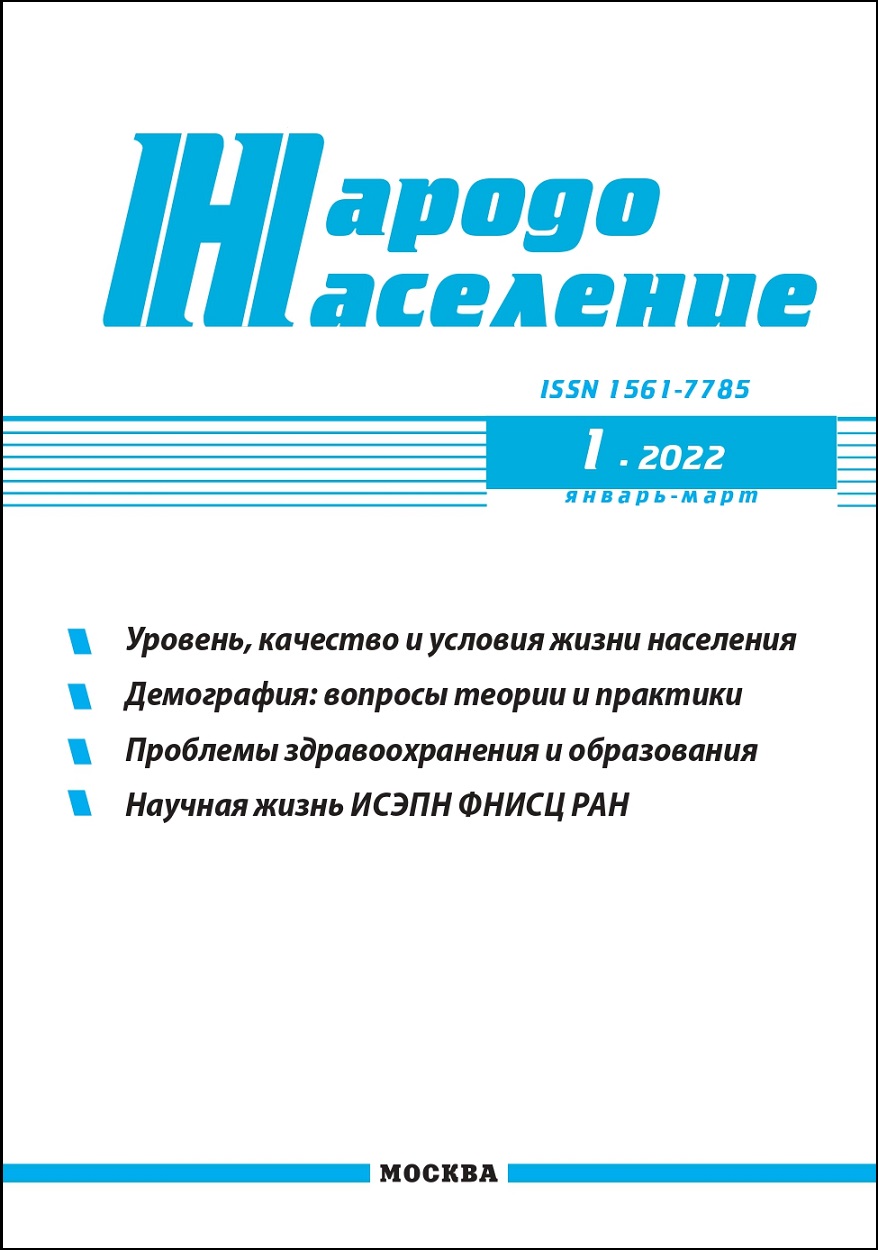
Статья
Поступила: 03.12.2021
Опубликована: 15.03.2022
Форматы цитирования
Другие форматы цитирования:
APA
Медведева, Е. И., & Крошилин, С. В. (2022). Финансовое мошенничество в период пандемии COVID-19. Народонаселение, 25(1), 29-42. https://doi.org/10.19181/population.2022.25.1.3
Раздел
УРОВЕНЬ, КАЧЕСТВО И УСЛОВИЯ ЖИЗНИ НАСЕЛЕНИЯ
JATS XML