Демографическое старение в России и новая социальная реальность
Научная статья
Выражение признательности
Исследование выполнено по теме НИР ИСЭПН ФНИСЦ РАН «Развитие человеческого потенциала с дифференциацией по регионам и социальным группам: факторы и модели».
Для цитирования
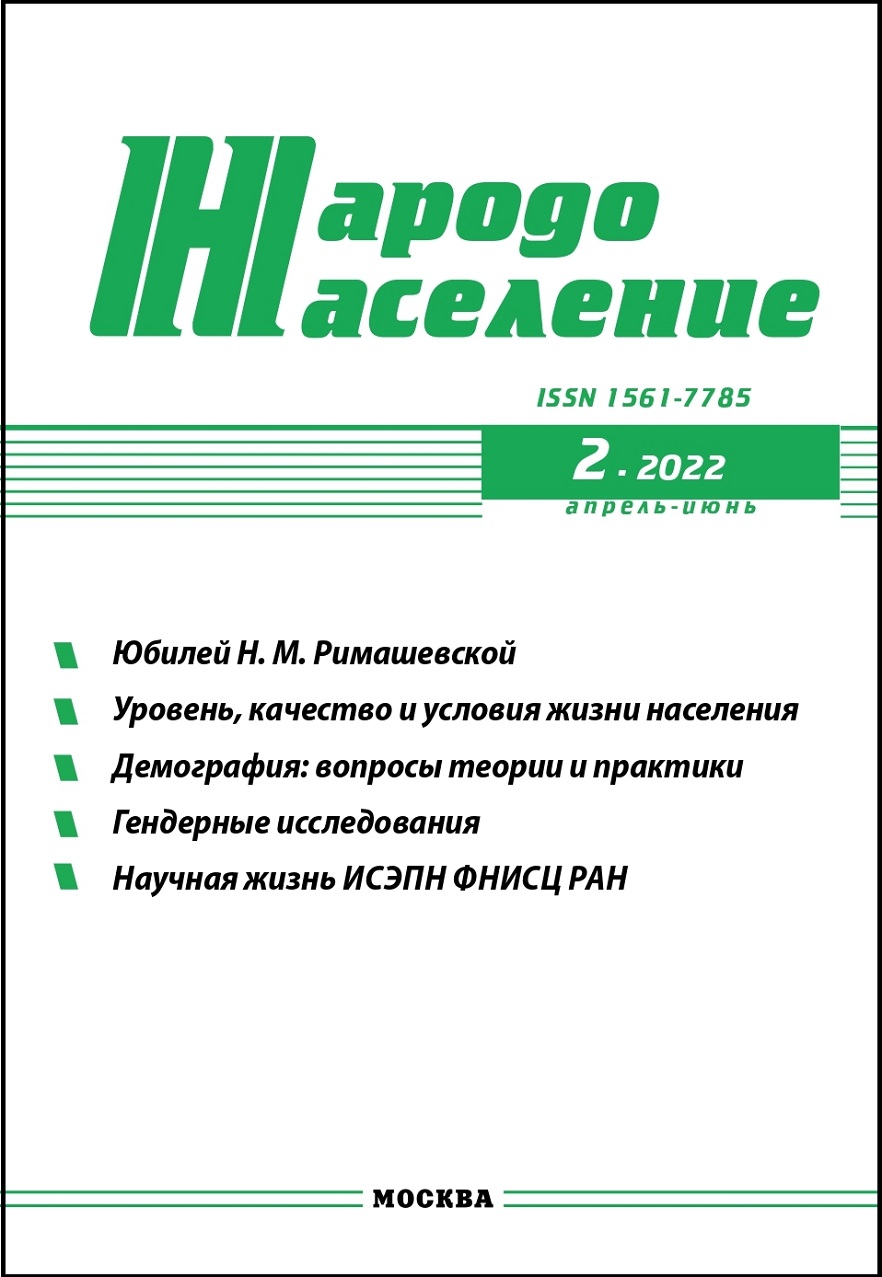
Доброхлеб В. Г. Демографическое старение в России и новая социальная реальность // Народонаселение. 2022. Том 25. № 2. С. 66-76. DOI: https://doi.org/10.19181/population.2022.25.2.6
Аннотация
Третий год население России находится в ситуации «идеального шторма»: в условиях пандемии COVID-19, быстрых технологических изменений, связанных с цифровизацией всего жизненного пространства, нарастания международной напряжённости, происходящими на фоне старения населения страны. Данные процессы способствовали формированию новой социальной реальности. Цель настоящего исследования — выявить динамику демографического старения в условиях пандемии, определить специфику социально-демографических вызовов для страны в этих условиях, представить возможности и препятствия в направлении формирования стратегии активного долголетия в России. Актуальность данного проекта обусловлена потребностью в исследовании потенциала старшего поколения в условиях второго этапа депопуляции для социально-демографического развития страны. Информационной базой являются данные Росстата, международных организаций, а также работы отечественных и зарубежных авторов по данном проблематике. Использована авторская методология ресурсного потенциала старшего поколения. Показано, что Россия реализует программы активного старения. Однако развитие инфраструктуры поддержки старшего поколения пока недостаточно последовательно сочетаются с поставленными целями социально-экономического развития страны. Предлагается шире использовать методологию сохранения и развития ресурсного потенциала старшего поколения, что позволяет дифференцированно подходить к формированию стратегии активного долголетия с учетом возможностей и мотивации различных групп пожилых и старых людей.
Ключевые слова:
депопуляция, старение населения, COVID-19, активное долголетие, социальная реальность
Литература
1. Россет, Э. Процесс старения населения. Демографическое исследование / Э. Россет. — Москва: Статистика, 1968. — 509 с.
2. Россет, Э. Продолжительность человеческой жизни / Э. Россет. — Москва : Прогресс, 1981. — 383 с.
3. Boudiny, K. A critical perspective: Towards a broader understanding of «active ageing» / К. Boudiny, D. Mortelmans // Electronic Journal of Applied Psychology. — 2011. — No. 7. — P. 8-14.
4. Walker, A. Active ageing in employment: its meaning and potential / A. Walker // Asia-Pacific Review. — 2006. — No. 1. — P. 78-93.
5. Васильева, Е.В. Концепция активного долголетия в системе обеспечения экономической безопасности / Е. В. Васильева // Экономика, предпринимательство и право. — 2021. — Т. 11. — № 9. — С. 2101-2120. DOI: 10.18334/epp.11.9.113431.
6. Resnick, B. Successful Aging / B. Resnick // / Encyclopedia of Behavioral Medicine / eds. M. D. Gellman, J. R. Turner. — New York : Springer, 2013. — Р. 1628-1932.
7. Walker, A. New Evidence on Active Ageing in Europe / A. Walker, A. Zaidi // Intereconomics. — 2016. — No. 51(3). — P. 139-144. DOI: 10.1007/s10272-016-0592-0.
8. Walker, A. Active ageing: a strategic policy solution to demographic ageing in the European Union / A. Walker, T. Maltby // International Journal of Social Welfare. — 2012. — No. 21(s1). — P. 117-130. DOI: 10.1111/j.1468-2397.2012.00871.x.
9. Rowe, J. W. Successful aging / J. W. Rowe, R. L. Kahn // The Gerontologist. — 1997. — No. 37(4). — P. 433-444. DOI: 10.1093/geront/37.4.433.
10. Дуракова, И. Б. Научные представления о фазах жизненного цикла в условиях в условиях парадигмы успешного старения / И. Б Дуракова, Е. В. Майер // Вестник Воронежского государственного университета. Серия: Экономика и управление.— 2021.— № 3. — С. 70-80. DOI: 10.17308/econ.2021.3/3518.
11. Polivka, L. Neoliberalism and Postmodern Cultures of Aging / L. Polivka // Journal of Applied Gerontology .— 2011. — No. 30(2). — P. 173-184. DOI: 10.1177/0733464810385919.
12. Rubinstein, R. L. «Successful aging,» gerontological theory and neoliberalism: a qualitative critique / R. L. Rubinstein, K. de Medeiros // The Gerontologist. — 2015. — No. 55(1). — P. 34-42. DOI: 10.1093/geront/gnu080.
13. Liang, J. Toward a Discourse Shift in Social Gerontology: From Successful Aging to Harmonious Aging / J. Liang, B. Luo // Journal of Aging Studies. — 2012. — No. 26(3). — P. 327-334. DOI: 10.1016/j.jaging.2012.03.001.
14. Nizamova, A. Normativity and the Aging Self: "Active Longevity" Media Discourse in Contemporary Russia / A. Nizamova // Laboratorium: Russian Review of Social Research.— 2020. — No. 12(2). P. 45 - 67. DOI: 10.25285/2078-1938-2020-12-2-45-67.
15. Григорьева, И. Концепция активного старения в Европе и России перед лицом пандемии COVID-19 / И. Григорьева, Е. Богданова // Laboratorium. — 2020. — № 2. — С. 187-211.
16. Доброхлеб, В. Г. Демографическое старение в аспекте гендерных проблем современной России / В. Г. Доброхлеб // Народонаселение. — 2020. — Т. 23. — № 2. — С. 15-13. DOI: 10.19181/population.2020.23.2.1.
17. Калачикова, О. Н. Демографическое развитие России и Беларуси в XXI веке в контексте внедрения концепции активного долголетия / О. Н. Калачикова, А. В. Короленко, А. Г. Боброва // Проблемы развития территории.— 2021. — Т. 25. — № 1. — С. 29-51. DOI: 10.15838/ptd.2021.1.111.2.
18. Гридасов, Г. Н. Медико-социальные последствия демографического старения (на примере Самарской области) / Г. Н. Гридасов [и др.]. — Самара : Волга-Бизнес, 2011. — 216 с.
19. Барсуков, В.Н. Демографическое старение населения: методы оценки / В. Н. Барсуков // Вопросы территориального развития. — 2014. — № 4(14). — C. 1-9.
20. Римашевская, Н. М. Старшее поколение как ресурс модернизации России / Н. М. Римашевская, В. Г. Доброхлеб // Народонаселение. — 2013. — № 3(61). — C. 20-26.
21. Доброхлеб, В. Г. Демографические теории и региональный аспект старения населения /, В. Г. Доброхлеб, В. Н. Барсуков // Экономические и социальные перемены: факты, тенденции, прогноз. — 2017. — Т. 10. — № 6. — С. 89-103. DOI: 10.15838/esc/2017.6.54.6.
22. Римашевская, Н.М. Человек и реформы: секреты выживания / Н. М. Римашевская. — Москва : РИЦ ИСЭПН РАН, 2 003. — 392 с.
2. Россет, Э. Продолжительность человеческой жизни / Э. Россет. — Москва : Прогресс, 1981. — 383 с.
3. Boudiny, K. A critical perspective: Towards a broader understanding of «active ageing» / К. Boudiny, D. Mortelmans // Electronic Journal of Applied Psychology. — 2011. — No. 7. — P. 8-14.
4. Walker, A. Active ageing in employment: its meaning and potential / A. Walker // Asia-Pacific Review. — 2006. — No. 1. — P. 78-93.
5. Васильева, Е.В. Концепция активного долголетия в системе обеспечения экономической безопасности / Е. В. Васильева // Экономика, предпринимательство и право. — 2021. — Т. 11. — № 9. — С. 2101-2120. DOI: 10.18334/epp.11.9.113431.
6. Resnick, B. Successful Aging / B. Resnick // / Encyclopedia of Behavioral Medicine / eds. M. D. Gellman, J. R. Turner. — New York : Springer, 2013. — Р. 1628-1932.
7. Walker, A. New Evidence on Active Ageing in Europe / A. Walker, A. Zaidi // Intereconomics. — 2016. — No. 51(3). — P. 139-144. DOI: 10.1007/s10272-016-0592-0.
8. Walker, A. Active ageing: a strategic policy solution to demographic ageing in the European Union / A. Walker, T. Maltby // International Journal of Social Welfare. — 2012. — No. 21(s1). — P. 117-130. DOI: 10.1111/j.1468-2397.2012.00871.x.
9. Rowe, J. W. Successful aging / J. W. Rowe, R. L. Kahn // The Gerontologist. — 1997. — No. 37(4). — P. 433-444. DOI: 10.1093/geront/37.4.433.
10. Дуракова, И. Б. Научные представления о фазах жизненного цикла в условиях в условиях парадигмы успешного старения / И. Б Дуракова, Е. В. Майер // Вестник Воронежского государственного университета. Серия: Экономика и управление.— 2021.— № 3. — С. 70-80. DOI: 10.17308/econ.2021.3/3518.
11. Polivka, L. Neoliberalism and Postmodern Cultures of Aging / L. Polivka // Journal of Applied Gerontology .— 2011. — No. 30(2). — P. 173-184. DOI: 10.1177/0733464810385919.
12. Rubinstein, R. L. «Successful aging,» gerontological theory and neoliberalism: a qualitative critique / R. L. Rubinstein, K. de Medeiros // The Gerontologist. — 2015. — No. 55(1). — P. 34-42. DOI: 10.1093/geront/gnu080.
13. Liang, J. Toward a Discourse Shift in Social Gerontology: From Successful Aging to Harmonious Aging / J. Liang, B. Luo // Journal of Aging Studies. — 2012. — No. 26(3). — P. 327-334. DOI: 10.1016/j.jaging.2012.03.001.
14. Nizamova, A. Normativity and the Aging Self: "Active Longevity" Media Discourse in Contemporary Russia / A. Nizamova // Laboratorium: Russian Review of Social Research.— 2020. — No. 12(2). P. 45 - 67. DOI: 10.25285/2078-1938-2020-12-2-45-67.
15. Григорьева, И. Концепция активного старения в Европе и России перед лицом пандемии COVID-19 / И. Григорьева, Е. Богданова // Laboratorium. — 2020. — № 2. — С. 187-211.
16. Доброхлеб, В. Г. Демографическое старение в аспекте гендерных проблем современной России / В. Г. Доброхлеб // Народонаселение. — 2020. — Т. 23. — № 2. — С. 15-13. DOI: 10.19181/population.2020.23.2.1.
17. Калачикова, О. Н. Демографическое развитие России и Беларуси в XXI веке в контексте внедрения концепции активного долголетия / О. Н. Калачикова, А. В. Короленко, А. Г. Боброва // Проблемы развития территории.— 2021. — Т. 25. — № 1. — С. 29-51. DOI: 10.15838/ptd.2021.1.111.2.
18. Гридасов, Г. Н. Медико-социальные последствия демографического старения (на примере Самарской области) / Г. Н. Гридасов [и др.]. — Самара : Волга-Бизнес, 2011. — 216 с.
19. Барсуков, В.Н. Демографическое старение населения: методы оценки / В. Н. Барсуков // Вопросы территориального развития. — 2014. — № 4(14). — C. 1-9.
20. Римашевская, Н. М. Старшее поколение как ресурс модернизации России / Н. М. Римашевская, В. Г. Доброхлеб // Народонаселение. — 2013. — № 3(61). — C. 20-26.
21. Доброхлеб, В. Г. Демографические теории и региональный аспект старения населения /, В. Г. Доброхлеб, В. Н. Барсуков // Экономические и социальные перемены: факты, тенденции, прогноз. — 2017. — Т. 10. — № 6. — С. 89-103. DOI: 10.15838/esc/2017.6.54.6.
22. Римашевская, Н.М. Человек и реформы: секреты выживания / Н. М. Римашевская. — Москва : РИЦ ИСЭПН РАН, 2 003. — 392 с.
Статья
Поступила: 22.02.2022
Опубликована: 08.06.2022
Форматы цитирования
Другие форматы цитирования:
APA
Доброхлеб, В. Г. (2022). Демографическое старение в России и новая социальная реальность. Народонаселение, 25(2), 66-76. https://doi.org/10.19181/population.2022.25.2.6
Раздел
ДЕМОГРАФИЯ: ВОПРОСЫ ТЕОРИИ И ПРАКТИКИ
JATS XML