Диагностика доверия к безопасности России в условиях нового знания о рисках и уязвимостях
Выражение признательности
Статья подготовлена при финансовой поддержке РНФгрант № 16-18-10411
Для цитирования
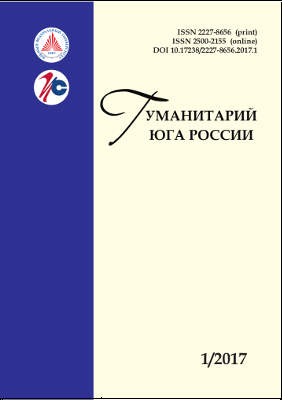
Кравченко С. А., Подберезкин А. И. Диагностика доверия к безопасности России в условиях нового знания о рисках и уязвимостях // Гуманитарий Юга России. 2017. Том 23. № 1. С. 27-41.
Аннотация
Содержание безопасности России и, соответственно, доверия к ней постоянно изменяется, что обусловлено социальной и культурной динамикой общественного развития. Опасности становятся многоликими, включают в себя не только военные факторы, но множества других – инсценированные СМИ угрозы обществу, его институтам, человеческому капиталу. Появились невиданные ранее нелинейные опасности в виде новых рукотворных рисков и уязвимостей, что, естественно, порождает вызовы, подрывающие доверие к знанию о безопасности страны. Показывается взаимосвязь доверия с рисками и уязвимостями. Обосновывается, что с учетом новых рисков и уязвимостей в XXI в. изменяются приоритеты в обеспечении безопасности социума. Их порядок таков: безопасность локальной человеческой цивилизации; безопасность нации; безопасность государства; безопасность общества; безопасность личности. Само обсуждение приоритетности интересов объектов безопасности у сторонников разных идеологий вызывает дискуссии, за которыми, по существу, стоят политические интересы важнейших акторов мировой политики. Декларирование приоритетного значения интересов личности, как правило, имеет латентную цель ослабить безопасность противоборствующей стороны, искусственно сформировать уязвимости идентичности нации и государственному суверенитету. Ныне политика элит в отношении безопасности своих стран все более учитывает роль фактора локальной человеческой цивилизации.
Ключевые слова:
доверие, безопасность, риски, уязвимости, нелинейные опасности, инсценирование угроз, локальная человеческая цивилизация
Литература
The National Security Strategy. Wash., 2015. February.
Стратегическое прогнозирование международных отношений / под ред. А.И. Подберезкина, М.В. Александрова. М., 2016. 743 с.
Подберезкин А.И. Стратегия национальной безопасности России в XXI веке. М., 2016. 338 c.
Кравченко С.А. Социологическое знание через призму «стрелы времени»: востребованность гуманистического поворота. М., 2015. 342 с.
Кравченко С.А. Стрела времени: современные вызовы социологическому знанию // Социологическая наука и социальная практика. 2014. № 1. С. 110–124.
Кравченко С.А. Социология в движении к взаимодействию теоретико-методологических подходов // Социс. 2011. № 1. С. 11–18.
Путин В.В. Указ Президента Российской Федерации «О Стратегии национальной безопасности Российской Федерации» № 683 от 31 декабря 2015 г.
Кравченко С.А. Risk // Кравченко С.А. Социологический толковый англо-русский словарь. М., 2012. 690 с.
Луман Н. Социальные системы. Очерк общей теории. СПб., 2007. 641 с.
Luhmann N. Trust and Power. N. Y., 1979. 228 p.
Giddens A., Pierson S. Conversation with Antony Giddens. Making Sense of Modernity. Cambridge, 1988. 244 p.
Гидденс Э. Устроение общества: Очерк теории структурации. М., 2003. 528 с
Россия на новом переломе: страхи и тревоги. М., 2009. 160 c.
Кравченко С.А. Социологическая диагностика рисков, уязвимостей, доверия : учеб. пособие. М., 2016. 431 с.
Sassen S. Relocalizing the National and Harizontalizing the Global // 3rd Forum of Sociology. The Futures We Want: Global Sociology and the Struggles for a Better World. Vienna, Austria, 10-14 July 2016.
Perrow Ch. Normal Accidents: Living with High Risk Technologies. New Brunswick, NJ, 1999. 464 p.
Perrow Ch. The Next Catastrophe: Reducing our Vulnerabilities to Natural, Industrial, and Terrorist Disasters. Princeton, 2011. 432 p.
Фукуяма Ф. Доверие: социальные добродетели и путь к процветанию. М., 2008. 730 с.
Парсонс Т. Некоторые проблемы общей теории в социологии. М., 1994.
Кравченко С.А. Социология. Т. 1 : Классические теории. М., 2014. 584 с.
Парсонс Т. О социальных системах. М., 2002. 832 с.
Beck U. Cosmopolitan Version. Cambridge, 2007. 216 p.
Кравченко С.А. Социология риска и безопасности. М., 2016. 302 с.
Подберезкин А.И. Национальный человеческий капитал. М., 2011. Т. III. 850 с.
Хантингтон С. Столкновение цивилизаций / пер. с анг. Т. Велимеева. М., 2016. 640 с.
Тойнби А. Подъем и падение цивилизаций. М., 2016. 288 с.
The National Military Strategy of the United States of America. Wash., 2015. June.
Подберезкин А.И. Военные угрозы России. М., 2014. 268 с.
Beck U. World at Risk. Cambridge, 2010. 240 p.
Введение в прикладной анализ международных ситуаций / под ред. Т.А. Шаклеиной. М., 2014. 268 с.
Попов И.М., Хамзатов М.М. Война будущего: Концептуальные основы и практические выводы. Очерки стратегической мысли. М., 2016. 832 с.
Стратегическое прогнозирование международных отношений / под ред. А.И. Подберезкина, М.В. Александрова. М., 2016. 743 с.
Подберезкин А.И. Стратегия национальной безопасности России в XXI веке. М., 2016. 338 c.
Кравченко С.А. Социологическое знание через призму «стрелы времени»: востребованность гуманистического поворота. М., 2015. 342 с.
Кравченко С.А. Стрела времени: современные вызовы социологическому знанию // Социологическая наука и социальная практика. 2014. № 1. С. 110–124.
Кравченко С.А. Социология в движении к взаимодействию теоретико-методологических подходов // Социс. 2011. № 1. С. 11–18.
Путин В.В. Указ Президента Российской Федерации «О Стратегии национальной безопасности Российской Федерации» № 683 от 31 декабря 2015 г.
Кравченко С.А. Risk // Кравченко С.А. Социологический толковый англо-русский словарь. М., 2012. 690 с.
Луман Н. Социальные системы. Очерк общей теории. СПб., 2007. 641 с.
Luhmann N. Trust and Power. N. Y., 1979. 228 p.
Giddens A., Pierson S. Conversation with Antony Giddens. Making Sense of Modernity. Cambridge, 1988. 244 p.
Гидденс Э. Устроение общества: Очерк теории структурации. М., 2003. 528 с
Россия на новом переломе: страхи и тревоги. М., 2009. 160 c.
Кравченко С.А. Социологическая диагностика рисков, уязвимостей, доверия : учеб. пособие. М., 2016. 431 с.
Sassen S. Relocalizing the National and Harizontalizing the Global // 3rd Forum of Sociology. The Futures We Want: Global Sociology and the Struggles for a Better World. Vienna, Austria, 10-14 July 2016.
Perrow Ch. Normal Accidents: Living with High Risk Technologies. New Brunswick, NJ, 1999. 464 p.
Perrow Ch. The Next Catastrophe: Reducing our Vulnerabilities to Natural, Industrial, and Terrorist Disasters. Princeton, 2011. 432 p.
Фукуяма Ф. Доверие: социальные добродетели и путь к процветанию. М., 2008. 730 с.
Парсонс Т. Некоторые проблемы общей теории в социологии. М., 1994.
Кравченко С.А. Социология. Т. 1 : Классические теории. М., 2014. 584 с.
Парсонс Т. О социальных системах. М., 2002. 832 с.
Beck U. Cosmopolitan Version. Cambridge, 2007. 216 p.
Кравченко С.А. Социология риска и безопасности. М., 2016. 302 с.
Подберезкин А.И. Национальный человеческий капитал. М., 2011. Т. III. 850 с.
Хантингтон С. Столкновение цивилизаций / пер. с анг. Т. Велимеева. М., 2016. 640 с.
Тойнби А. Подъем и падение цивилизаций. М., 2016. 288 с.
The National Military Strategy of the United States of America. Wash., 2015. June.
Подберезкин А.И. Военные угрозы России. М., 2014. 268 с.
Beck U. World at Risk. Cambridge, 2010. 240 p.
Введение в прикладной анализ международных ситуаций / под ред. Т.А. Шаклеиной. М., 2014. 268 с.
Попов И.М., Хамзатов М.М. Война будущего: Концептуальные основы и практические выводы. Очерки стратегической мысли. М., 2016. 832 с.
Форматы цитирования
Другие форматы цитирования:
APA
Кравченко, С. А., & Подберезкин, А. И. (2017). Диагностика доверия к безопасности России в условиях нового знания о рисках и уязвимостях. Гуманитарий Юга России, 23(1), 27-41. извлечено от https://www.jour.fnisc.ru/index.php/hsr/article/view/4964
Раздел
СОВРЕМЕННОЕ РОССИЙСКОЕ ОБЩЕСТВО
JATS XML