
Распространённость употребления наркотических средств среди работающего населения как форма дезадаптационного процесса. Часть 2
Для цитирования
Позднякова М. Е., Брюно В. В. Распространённость употребления наркотических средств среди работающего населения как форма дезадаптационного процесса. Часть 2. — Социологическая наука и социальная практика, 2019. Т. 7. № 4. С. 180-192. DOI: https://doi.org/10.19181/snsp.2019.7.4.6810
Аннотация
Данная работа является продолжением статьи, посвящённой распространению наркопотербления среди работающего населения и в различных профессиональных группах[1]. Во второй части статьи на основании материалов количественных и качественных исследований сектора социологии девиантного поведения Института социологии ФНИСЦ РАН, а также обзоров различных исследований рассмотрены особенности употребления психоактивных веществ в вооружённых силах России. Выявлены основные факторы латентности наркотизации в армии. Отмечается, что структура потребления наркотиков среди военнослужащих практически полностью отражает структуру их распространения в стране. Показано, что, несмотря на неуклонное снижение числа граждан, освобождённых от призыва на военную службу в связи с употреблением наркотиков, и военных, вовлечённых в наркотизацию, в вооружённых силах России сохраняется недостаточная выявляемость наркопотребителей.[1] Первая часть статьи опубликована в журнале «Социологическая наука и социальнаяпрактика» (2019. № 3. С. 120–135).
Ключевые слова:
наркотизация, наркотики, новые психоактивные вещества, мотивы наркопотребления, трудоспособное население, профессиональные группы, руководители высшего звена, вооружённые силы, армия, контролируемое потребление наркотиков
Литература
Алексеев В. В. Мониторинг аддиктивного поведения военнослужащих: опыт использования методов химико-токсикологического исследования / Алексеев В. В., Шамрей В. К., Иванов А. М., Гончаренко А. Ю., Тихенко В. В. // Военно-медицинский журнал. 2016. № 3 (337). С. 4–12.
Куликов В. В. Выявление лиц призывного возраста, злоупотребляющих психоактивными веществами / Куликов В. В., Ядчук В. Н., Работкин О. С., Палатов С. Ю. // Вопросы наркологии. 2002. № 2. С. 66–67.
Логутова Е. В., Тунина Л. А. Психологические особенности адаптации призывников к воинской службе из полных и неполных семей // Азимут научных исследований: педагогика и психология. 2017. № 2(19). С. 272–274.
Основные показатели деятельности наркологической службы в Российской Федерации в 2013–2014 годах: статистический сборник / Под ред. В. В. Киржановой, Н. И. Григоровой, О. В. Сидорюк. М.: ФГБУ «ФМИЦПН им. В. П. Сербского» Минздрава России, 2016. 182 с.
Пастушенков А. В. Экспресс-диагностика аддиктивных расстройств у военнослужащих: автореф. дис. ... канд. мед. наук: 14.01.06 / Пастушенков Алексей Владимирович; Воен.-мед. акад. им. С. М. Кирова. Санкт-Петербург, 2015. 21 с.
Сопко В. В. Наркомания в армии и проблемы её предупреждения в обстоятельствах, не связанных с боевой обстановкой // Территория науки. 2013. № 2. С. 283–286.
Состояние и деятельность наркологической службы в Российской Федерации в 2017 году: Аналитический обзор / Под ред.: В. В. Киржановой, Н. И. Григоровой, В. Н. Киржанова, О. В. Сидорюк. М.: ФГБУ «НМИЦ ПН им. В. П. Сербского» Минздрава России, 2019. 196 с.
Шилов А. И., Оноколов Ю. П. Проблемы алкоголизма и наркотизма в Вооружённых силах Российской Федерации // Человек: преступление и наказание. 2010. № 3(70). С.70–73.
Фисун А. Я. Профилактика наркоманий в Вооружённых силах: организация и проведение скрининговых обследований / Фисун А. Я., Кувшинов К. Э., Шамрей В. К., Алексеев В. В., Гончаренко А. Ю., Пастушенков А. В., Тихенко В. В. // Военно-медицинский журнал. 2014. № 3 (335). С. 4–12.
Харабет К. В. Противодействие наркотизму и наркопреступности в военной организации государства. М.: За права военнослужащих, 2010. 335 с.
Харабет К. В. Противодействие наркотизму и наркопреступности в Вооруженных силах Российской Федерации (социально-правовое и криминологическое исследование): диссертация ... д-ра юридических наук: 12.00.08 / Харабет Константин Васильевич / ФГКОУ ВО «Университет прокуратуры Российской Федерации». Москва, 2018.
Куликов В. В. Выявление лиц призывного возраста, злоупотребляющих психоактивными веществами / Куликов В. В., Ядчук В. Н., Работкин О. С., Палатов С. Ю. // Вопросы наркологии. 2002. № 2. С. 66–67.
Логутова Е. В., Тунина Л. А. Психологические особенности адаптации призывников к воинской службе из полных и неполных семей // Азимут научных исследований: педагогика и психология. 2017. № 2(19). С. 272–274.
Основные показатели деятельности наркологической службы в Российской Федерации в 2013–2014 годах: статистический сборник / Под ред. В. В. Киржановой, Н. И. Григоровой, О. В. Сидорюк. М.: ФГБУ «ФМИЦПН им. В. П. Сербского» Минздрава России, 2016. 182 с.
Пастушенков А. В. Экспресс-диагностика аддиктивных расстройств у военнослужащих: автореф. дис. ... канд. мед. наук: 14.01.06 / Пастушенков Алексей Владимирович; Воен.-мед. акад. им. С. М. Кирова. Санкт-Петербург, 2015. 21 с.
Сопко В. В. Наркомания в армии и проблемы её предупреждения в обстоятельствах, не связанных с боевой обстановкой // Территория науки. 2013. № 2. С. 283–286.
Состояние и деятельность наркологической службы в Российской Федерации в 2017 году: Аналитический обзор / Под ред.: В. В. Киржановой, Н. И. Григоровой, В. Н. Киржанова, О. В. Сидорюк. М.: ФГБУ «НМИЦ ПН им. В. П. Сербского» Минздрава России, 2019. 196 с.
Шилов А. И., Оноколов Ю. П. Проблемы алкоголизма и наркотизма в Вооружённых силах Российской Федерации // Человек: преступление и наказание. 2010. № 3(70). С.70–73.
Фисун А. Я. Профилактика наркоманий в Вооружённых силах: организация и проведение скрининговых обследований / Фисун А. Я., Кувшинов К. Э., Шамрей В. К., Алексеев В. В., Гончаренко А. Ю., Пастушенков А. В., Тихенко В. В. // Военно-медицинский журнал. 2014. № 3 (335). С. 4–12.
Харабет К. В. Противодействие наркотизму и наркопреступности в военной организации государства. М.: За права военнослужащих, 2010. 335 с.
Харабет К. В. Противодействие наркотизму и наркопреступности в Вооруженных силах Российской Федерации (социально-правовое и криминологическое исследование): диссертация ... д-ра юридических наук: 12.00.08 / Харабет Константин Васильевич / ФГКОУ ВО «Университет прокуратуры Российской Федерации». Москва, 2018.
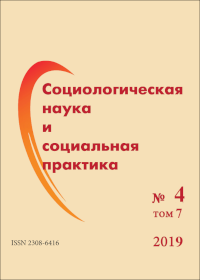
Форматы цитирования
Другие форматы цитирования:
Harvard
Позднякова, М. Е. и Брюно, В. В. (2019) ’Распространённость употребления наркотических средств среди работающего населения как форма дезадаптационного процесса. Часть 2’, Социологическая наука и социальная практика, 7(4), сс. 180-192. doi: https://doi.org/10.19181/snsp.2019.7.4.6810.
Раздел
СОЦИОЛОГИЯ ДЕВИАНТНОГО ПОВЕДЕНИЯ
JATS XML





 Издатель: Федеральное государственное бюджетное учреждение науки