
Занятость в личных подсобных хозяйствах южнороссийских регионов: итоги исследования
Научная статья
Для цитирования
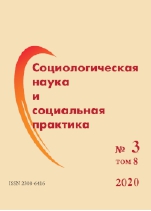
Намруева Л. В. Занятость в личных подсобных хозяйствах южнороссийских регионов: итоги исследования. — Социологическая наука и социальная практика, 2020. Т. 8. № 3. С. 77-97. DOI: https://doi.org/10.19181/snsp.2020.8.3.7488
Аннотация
В современных условиях появления новых угроз, дестабилизирующих социальное взаимодействие, необходим поиск тех факторов, которые восстанавливают его устойчивость, увеличивают продовольственную безопасность общества. Одним из них, на наш взгляд, являются хозяйственные уклады, традиционно бытующие в сельском социуме. В данной статье рассматривается один из сельских хозяйственных укладов – личные подсобные хозяйства, которые не только сохраняют сельские территории, но и продолжают обеспечивать население продовольствием, обеспечивают достойный уровень доходов сельского населения, способствуя решению множества жизненных проблем.
Автор анализирует результаты социологического исследования, проведённого осенью 2018 г. в четырёх южнороссийских регионах – Республике Калмыкия, Астраханской и Волгоградской областях, Ставропольском крае. Такое крупное исследование по изучению многоукладности сёл осуществлено впервые на Юге России. Автор анализирует занятость в семейно-потребительском укладе, которая характеризует процесс реформирования агропромышленного комплекса и происходящие структурные изменения на аграрном рынке труда. Анкетный опрос показал, что в южнороссийских сёлах семейно-потребительский уклад (личные подсобные хозяйства) не потерял своего доминирования, несмотря на появление такого сильного актора, как крестьянские фермерские хозяйства, представляющего семейно-предпринимательский уклад и поддерживаемого государством. Занятость в личных подсобных хозяйствах обусловлена, прежде всего, их экономическими ресурсами, специализацией, в том числе и разным уровнем товарности. Исследование показало, что есть значительная часть хозяев, готовых расширить своё производство, несмотря на имеющиеся трудности в социально-экономическом развитии страны, региона, конкретного села.
Ключевые слова:
Республика Калмыкия, Астраханская область, Волгоградская область, Ставропольский край, личные подсобные хозяйства, село, сельские жители, сельскохозяйственное производство
Литература
Великий П. П. Хозяйственная самодеятельность сельских семей: возможности и ограничения // Региональные агросистемы: экономика и социология. 2018. № 2.
Великий П. П. Хозяева сельских подворий: дифференциация, проблемы, будущее // Социологические исследования. 2019a. № 12. С. 49–64. DOI: 10.31857/S013216250007734-0
Великий П. П. Социальная дифференциация в сельских сообществах: опыт социологического исследования // Устойчивое развитие сельских территорий. Стабильная социально-экономическая структура села как предпосылка устойчивого развития сельских территорий: сб. ст. / отв. за выпуск А. А. Хагуров. Краснодар: КубГАУ. 2019b. С. 51–64.
Великий П. П. Повседневность российского села в начале XXI века [монография] / под ред. Ю. С. Воронова. Саратов: Изд-во «Саратовский источник», 2020. 307 с.
Зазулина М. Р., Самсонов В. В. Подсобные хозяйства населения в стратегиях устойчивого развития российского села: опыт статистического анализа // Экспортный потенциал АПК России: состояние и перспективы. Никоновские чтения. М: ВИАПИ имени А. А. Никонова, 2017. С. 289–290.
Зубаревич Н. В. Развитие российского пространства: барьеры и возможности региональной политики // Мир новой экономики. 2017. № 2. С. 46–57.
Исаева О. В. Многоукладность сельского хозяйства России: современные тенденции и перспективы развития // Экономика и экология территориальных образований. 2019. Т. 3. № 3. С. 20–30. DOI: 10.23947/2413-1474-2019-3-3-20-30
Итоги Всероссийской сельскохозяйственной переписи 2006 года: В 9 т. / Федеральная служба гос. Статистики. М.: ИИЦ «Статистика России», 2008. Т. 2. Число объектов Всероссийской сельскохозяйственной переписи 2006 года. Трудовые ресурсы и их характеристика. 2008. 432 с.
Ицкович А. Ю. Личные подсобные хозяйства: конфликт дефиниций, типологий, паттернов // Вестник Волгоградского государственного университета. Сер. 3. Экономика. Экология. 2013. № 2 (23). С. 157–164.
Калугина З. И. Многоукладность аграрной экономики в контексте рационального использования ресурсов // ИНТЕРЭКСПО Гео-Сибирь 2016. Т. 3. № 1. С. 128–132.
Муханова М. Н. Сельское население в структурах неформального сектора на рынке труда АПК // Власть. 2018. Т. 26. № 5. С. 125–132. DOI: https://doi.org/10.31171/vlast.v26i5.5833
Намруева Л. В. Влияние производственной ниши на изменение этничности современных калмыков // Вестник Калмыцкого института гуманитарных исследований РАН. 2014. № 2. С. 109–114.
Намруева Л. В., Королевских А. Н. О процессе уменьшения численности крестьян в современной Калмыкии // Известия высших учебных заведений. Социология. Экономика. Политика. 2016. № 3. С. 26–29.
Намруева Л. В. Современное село Калмыкии: социологический срез: [монография] / Л. В. Намруева; Калмыцкий научный центр РАН. Элиста: КалмНЦ РАН. 2017. 178 с.
Намруева Л. В. Взаимодействие коллективного и семейного укладов в южнороссийских сёлах (по материалам исследования 2018 г.) // Logos et Praxis. 2019. Т. 18. № 2. С. 134–142. DOI: 10.15688/lp.jvolsu.2019.2.12
Намруева Л. В., Нусхаева Б. Б., Бадмаева Н. В. Развитие сельских территорий Юга России: комплексный анализ социально-экономических процессов. Научный отчёт. Элиста: КалмНЦ РАН, 2018. 201 с.
Нефёдова Т. Г. Три уклада современного сельского хозяйства России: специфика и взаимодействие // Вестник Евразии. 2002. № 1 (16). С. 7–26.
Прауст Р. Э. Апология и проблематика семейного сельского хозяйства. Исторические и социально-экономические очерки. М.: ВИАПИ; «Энциклопедия российских деревень», 2008. 336 с.
Предварительные итоги Всероссийской сельскохозяйственной переписи 2016 года: В 2 т. / Федеральная служба гос. статистики. М.: ИИЦ «Статистика России», 2017. Т. 2 Предварительные итоги Всероссийской сельскохозяйственной переписи 2016 года по субъектам Российской Федерации. 2017. 1110 с.
Сангаджиева В. «Агростартап» поможет стать фермером // Хальмг унн. 2020. 22 января. С. 3.
Семёнова В. В. Возраст как социальный ресурс: возможные источники социального неравенства // Россия реформирующаяся. Ежегодник–2004. Отв. ред. Л. М. Дробижева. М.: ИС РАН, 2004. С. 157–170.
Фадеева О. П. Сельские сообщества и хозяйственные уклады: от выживания к развитию / Под ред. З. И. Калугиной. Новосибирск: ИЭОПП СО РАН, 2015. 264 c.
Федеральный закон от 7 июля 2003 г. № 112-ФЗ «О личном подсобном хозяйстве» (с изменениями и дополнениями) [Электронный ресурс] // Гарант: [сайт]. URL: http://base.garant. ru/12131702/ (дата обращения: 12.02.2018).
Великий П. П. Хозяева сельских подворий: дифференциация, проблемы, будущее // Социологические исследования. 2019a. № 12. С. 49–64. DOI: 10.31857/S013216250007734-0
Великий П. П. Социальная дифференциация в сельских сообществах: опыт социологического исследования // Устойчивое развитие сельских территорий. Стабильная социально-экономическая структура села как предпосылка устойчивого развития сельских территорий: сб. ст. / отв. за выпуск А. А. Хагуров. Краснодар: КубГАУ. 2019b. С. 51–64.
Великий П. П. Повседневность российского села в начале XXI века [монография] / под ред. Ю. С. Воронова. Саратов: Изд-во «Саратовский источник», 2020. 307 с.
Зазулина М. Р., Самсонов В. В. Подсобные хозяйства населения в стратегиях устойчивого развития российского села: опыт статистического анализа // Экспортный потенциал АПК России: состояние и перспективы. Никоновские чтения. М: ВИАПИ имени А. А. Никонова, 2017. С. 289–290.
Зубаревич Н. В. Развитие российского пространства: барьеры и возможности региональной политики // Мир новой экономики. 2017. № 2. С. 46–57.
Исаева О. В. Многоукладность сельского хозяйства России: современные тенденции и перспективы развития // Экономика и экология территориальных образований. 2019. Т. 3. № 3. С. 20–30. DOI: 10.23947/2413-1474-2019-3-3-20-30
Итоги Всероссийской сельскохозяйственной переписи 2006 года: В 9 т. / Федеральная служба гос. Статистики. М.: ИИЦ «Статистика России», 2008. Т. 2. Число объектов Всероссийской сельскохозяйственной переписи 2006 года. Трудовые ресурсы и их характеристика. 2008. 432 с.
Ицкович А. Ю. Личные подсобные хозяйства: конфликт дефиниций, типологий, паттернов // Вестник Волгоградского государственного университета. Сер. 3. Экономика. Экология. 2013. № 2 (23). С. 157–164.
Калугина З. И. Многоукладность аграрной экономики в контексте рационального использования ресурсов // ИНТЕРЭКСПО Гео-Сибирь 2016. Т. 3. № 1. С. 128–132.
Муханова М. Н. Сельское население в структурах неформального сектора на рынке труда АПК // Власть. 2018. Т. 26. № 5. С. 125–132. DOI: https://doi.org/10.31171/vlast.v26i5.5833
Намруева Л. В. Влияние производственной ниши на изменение этничности современных калмыков // Вестник Калмыцкого института гуманитарных исследований РАН. 2014. № 2. С. 109–114.
Намруева Л. В., Королевских А. Н. О процессе уменьшения численности крестьян в современной Калмыкии // Известия высших учебных заведений. Социология. Экономика. Политика. 2016. № 3. С. 26–29.
Намруева Л. В. Современное село Калмыкии: социологический срез: [монография] / Л. В. Намруева; Калмыцкий научный центр РАН. Элиста: КалмНЦ РАН. 2017. 178 с.
Намруева Л. В. Взаимодействие коллективного и семейного укладов в южнороссийских сёлах (по материалам исследования 2018 г.) // Logos et Praxis. 2019. Т. 18. № 2. С. 134–142. DOI: 10.15688/lp.jvolsu.2019.2.12
Намруева Л. В., Нусхаева Б. Б., Бадмаева Н. В. Развитие сельских территорий Юга России: комплексный анализ социально-экономических процессов. Научный отчёт. Элиста: КалмНЦ РАН, 2018. 201 с.
Нефёдова Т. Г. Три уклада современного сельского хозяйства России: специфика и взаимодействие // Вестник Евразии. 2002. № 1 (16). С. 7–26.
Прауст Р. Э. Апология и проблематика семейного сельского хозяйства. Исторические и социально-экономические очерки. М.: ВИАПИ; «Энциклопедия российских деревень», 2008. 336 с.
Предварительные итоги Всероссийской сельскохозяйственной переписи 2016 года: В 2 т. / Федеральная служба гос. статистики. М.: ИИЦ «Статистика России», 2017. Т. 2 Предварительные итоги Всероссийской сельскохозяйственной переписи 2016 года по субъектам Российской Федерации. 2017. 1110 с.
Сангаджиева В. «Агростартап» поможет стать фермером // Хальмг унн. 2020. 22 января. С. 3.
Семёнова В. В. Возраст как социальный ресурс: возможные источники социального неравенства // Россия реформирующаяся. Ежегодник–2004. Отв. ред. Л. М. Дробижева. М.: ИС РАН, 2004. С. 157–170.
Фадеева О. П. Сельские сообщества и хозяйственные уклады: от выживания к развитию / Под ред. З. И. Калугиной. Новосибирск: ИЭОПП СО РАН, 2015. 264 c.
Федеральный закон от 7 июля 2003 г. № 112-ФЗ «О личном подсобном хозяйстве» (с изменениями и дополнениями) [Электронный ресурс] // Гарант: [сайт]. URL: http://base.garant. ru/12131702/ (дата обращения: 12.02.2018).
Статья
Поступила: 19.05.2020
Опубликована: 25.09.2020
Форматы цитирования
Другие форматы цитирования:
Harvard
Намруева, Л. В. (2020) ’Занятость в личных подсобных хозяйствах южнороссийских регионов: итоги исследования’, Социологическая наука и социальная практика, 8(3), сс. 77-97. doi: https://doi.org/10.19181/snsp.2020.8.3.7488.
Раздел
СОЦИОЛОГИЯ СЕЛА
JATS XML






 Издатель: Федеральное государственное бюджетное учреждение науки